ترك رسالة
إذا كنت مهتمًا بمنتجاتنا وتريد معرفة المزيد من التفاصيل، فيرجى ترك رسالة هنا، وسوف نقوم بالرد عليك في أقرب وقت ممكن.

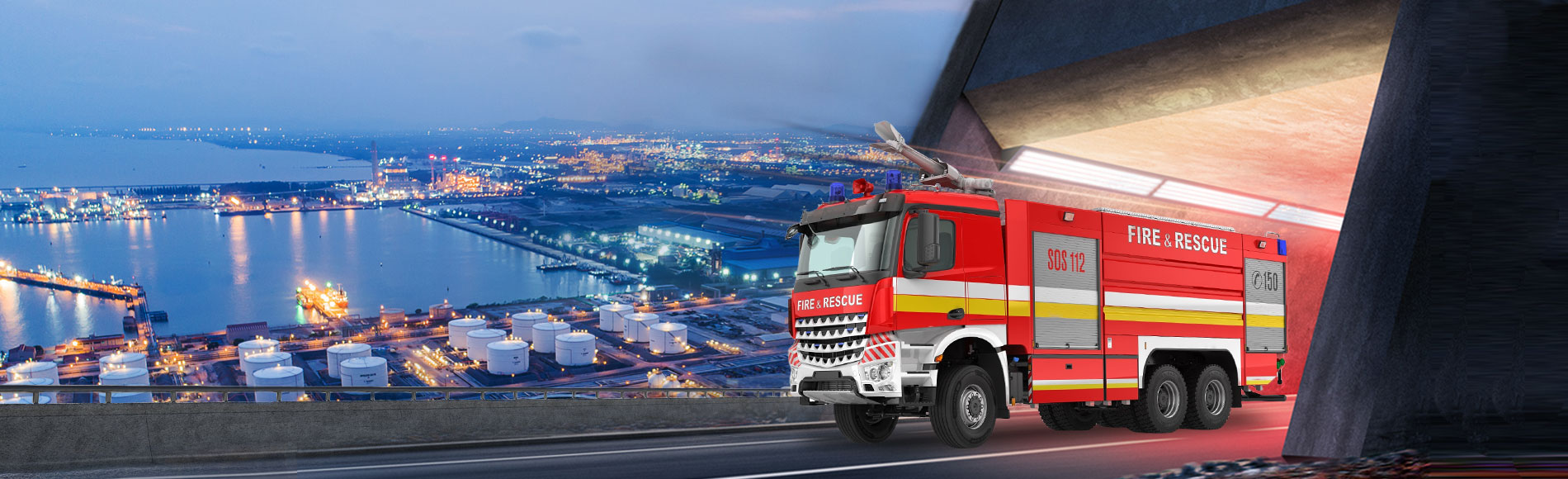
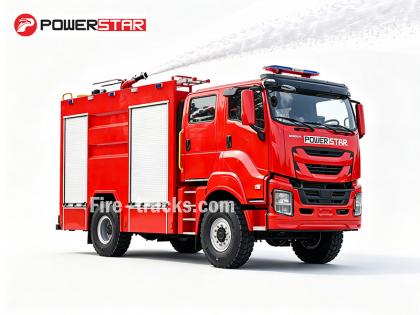
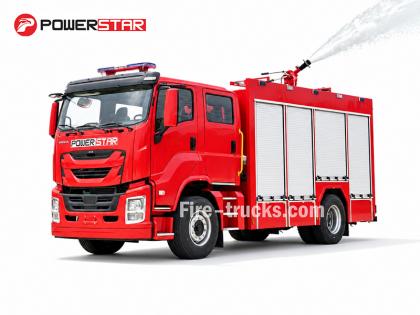
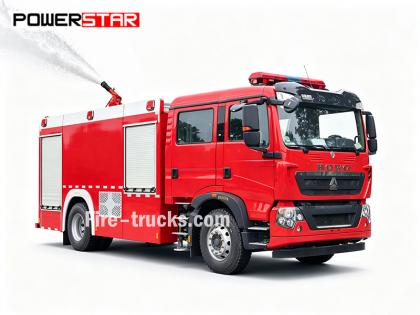
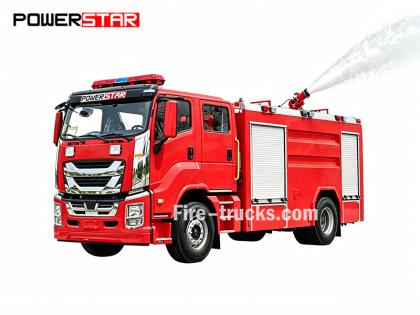
سيارات إطفاء المياه تُستخدم شاحنات إطفاء الحرائق التي تعمل بالرغوة لمكافحة الحرائق العادية التي تشمل الخشب والورق والقماش. أما شاحنات إطفاء الحرائق التي تعمل بالرغوة فتُستخدم لمكافحة حرائق السوائل القابلة للاشتعال مثل البنزين والزيت. ويعتمد اختيار الأنسب على نوع المخاطر الموجودة.
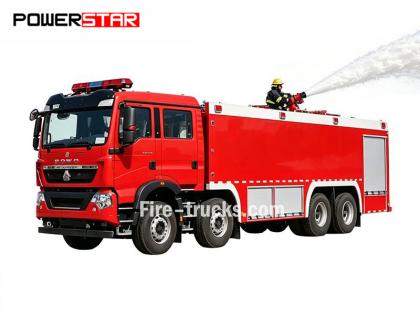
أ شاحنة إطفاء مياه تحمل هذه الشاحنة خزان مياه كبير وتعتمد على مضخة ضغط عالٍ لضخ المياه عبر الخراطيم أو مدفع مائي. وهي أكثر أنواع شاحنات الإطفاء شيوعاً في إدارات الإطفاء البلدية والمواقع الصناعية حول العالم.
أ شاحنة إطفاء رغوية من ناحية أخرى، صُممت هذه المركبة خصيصًا لحمل وتوزيع رغوة إطفاء الحرائق. عندما لا يكفي الماء وحده لإخماد الحريق بفعالية - كما هو الحال مع حرائق السوائل القابلة للاشتعال أو المواد الكيميائية أو الوقود - تُعد الرغوة الخيار الأمثل. تعمل الرغوة عن طريق تكوين طبقة عازلة فوق النار، مما يقطع الأكسجين ويمنع إعادة اشتعالها.
شاحنة إطفاء المياه هي كما يوحي اسمها تمامًا - مركبة مزودة بخزان مياه كبير، ومضخة قوية، وخراطيم أو مدافع لتوصيل المياه إلى مواقع الحرائق. يتسع خزان المياه عادةً لما بين 500 و3000 جالون (ما يقارب 2000 إلى 12000 لتر). تسحب المضخة المياه من الخزان أو من مصدر خارجي مثل صنبور إطفاء أو بحيرة أو بركة، ثم تدفعها عبر الخراطيم تحت ضغط عالٍ.
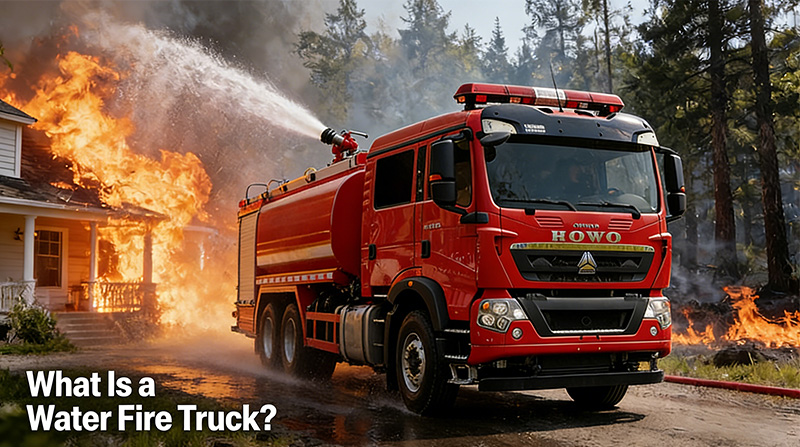
أين تعمل شاحنات إطفاء الحرائق المائية بشكل أفضل؟
تُعد شاحنات إطفاء الحرائق المائية مثالية لـ حرائق الفئة أ والتي تشمل المواد القابلة للاحتراق العادية:
الخشب والأخشاب
الورق والكرتون
القماش والنسيج
المطاط والبلاستيك
الأعشاب والشجيرات ومواد الغابات
إذا كان الحريق يشمل مواد تحترق في منزل أو مستودع أو حقل، فعادةً ما يطفئه الماء.
محددات المياه:
للماء نقطة ضعف رئيسية. فعند رشه على سوائل مشتعلة كالبنزين والزيت والمواد الكيميائية، يغوص الماء لأنه أثقل من هذه المواد. فيطفو الوقود على السطح ويستمر في الاحتراق. وفي بعض الحالات، قد يتسبب الماء في انتشار الحريق إلى مساحة أوسع. ولذلك، لا يُعدّ الماء وحده فعالاً في إخماد حرائق السوائل القابلة للاشتعال.
مواصفات مضخة إطفاء الحريق لشاحنة إطفاء المياه:
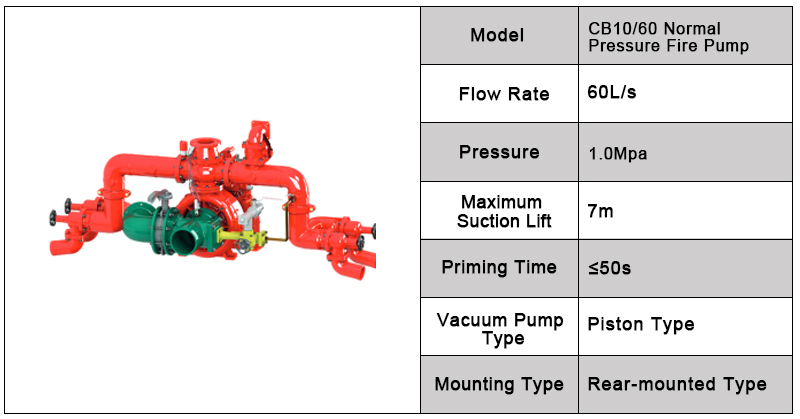
شاحنة إطفاء المياه جهاز مراقبة الحريق تحديد:
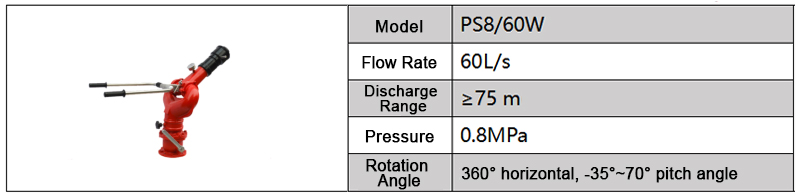
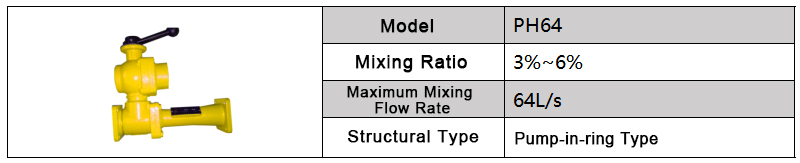
شاحنة إطفاء الحرائق بالرغوة هي مركبة متخصصة مصممة لنقل وتوزيع رغوة إطفاء الحرائق. تحمل الشاحنة خزانين منفصلين، أحدهما للماء والآخر لمركز الرغوة. يقوم نظام مزج الرغوة بخلط المكونين بنسبة محددة، عادةً 1% أو 3% أو 6% من مركز الرغوة إلى الماء. ثم يمر هذا المزيج عبر فوهة الرغوة حيث يُضاف الهواء، مما يُنتج طبقة رغوية متمددة ومستقرة.
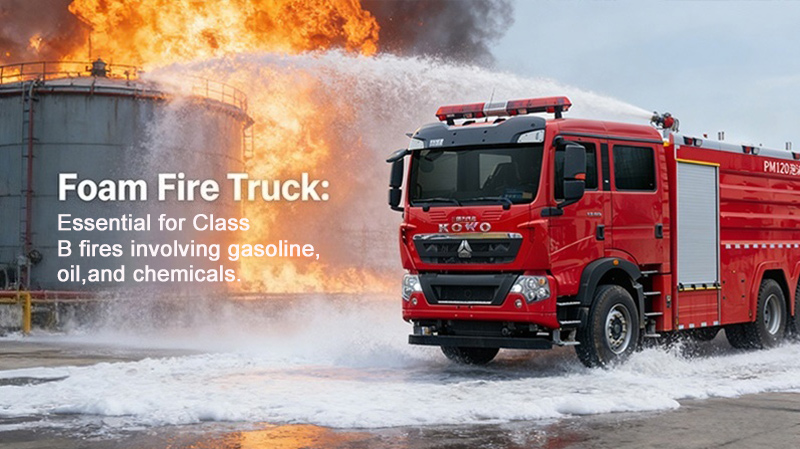
كيف يعمل الرغوة:
تُشكّل الرغوة طبقة فوق السائل أو المادة المحترقة. هذه البطانية:
يقطع إمداد الأكسجين عن النار
يبرد سطح الوقود
يمنع تسرب الأبخرة القابلة للاشتعال
يمنع اشتعال النار مرة أخرى
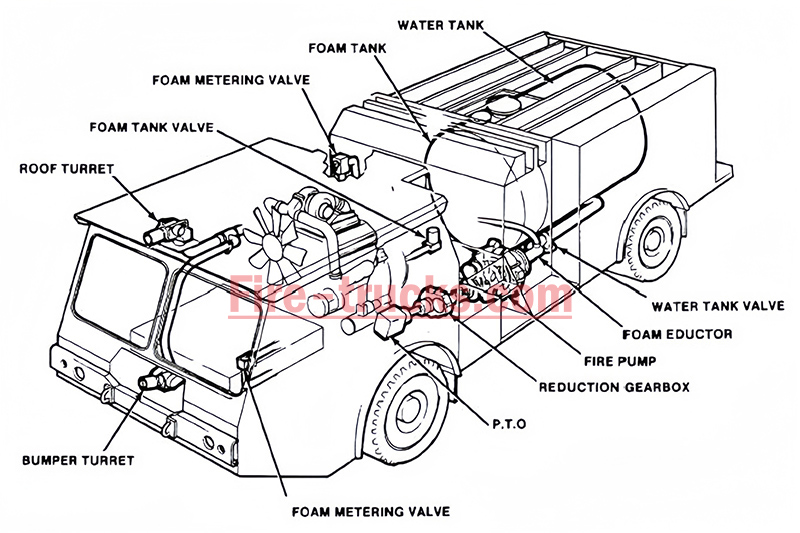
أين تعمل شاحنات إطفاء الحرائق الرغوية بشكل أفضل؟
تُعد شاحنات إطفاء الحرائق الرغوية ضرورية لـ حرائق الفئة ب والتي تتضمن سوائل قابلة للاشتعال والاحتراق:
البنزين والديزل
وقود الطائرات والكيروسين
الزيت والشحم
الكحول والإيثانول
المواد الكيميائية الصناعية
كما أن الرغوة فعالة أيضاً في بعض أنواع الحرائق من الفئة أ التي يصعب إخمادها بالماء وحده، مثل الحرائق في المستودعات التي تحتوي على بضائع مكدسة أو مرافق تخزين الإطارات.
التطبيقات الشائعة:
| طلب | لماذا تعمل الرغوة؟ |
| المطارات | تتطلب حرائق وقود الطائرات رغوة؛ فالماء لن يجدي نفعاً. |
| مصافي النفط | كميات كبيرة من السوائل القابلة للاشتعال في الموقع |
| المصانع الكيميائية | مواد كيميائية تطفو على الماء وتستمر في الاحتراق |
| مستودعات تخزين الوقود | خزانات البنزين والديزل في كل مكان |
| المناجم والمنصات البحرية | مناطق عالية الخطورة تحتوي على مواد خطرة |
| منشآت البتروكيماويات | تمنع الرغوة إعادة الاشتعال وتتحكم في البخار |
عملية خلط الرغوة:
تُصنع الرغوة المستخدمة في مكافحة الحرائق الصناعية عن طريق خلط مركز الرغوة بالماء، ثم تهوية الخليط لتكوين رغوة مستقرة. بعد ذلك، تُضخ هذه الرغوة عبر الخراطيم أو الفوهات أو أنظمة مراقبة الرغوة لتغطية دقيقة وتطبيق مثالي.
محددات استخدام الرغوة:
تُعدّ شاحنات الرغوة أغلى ثمناً عند الشراء، إذ تتطلب خزانات إضافية ونظام خلط. كما أن مُركّز الرغوة نفسه يُمثّل تكلفة مستمرة. ويحتاج النظام أيضاً إلى اختبارات دورية لضمان خلطه بشكل صحيح. إذا كان موقعكم نادراً ما يتعرض لحرائق الوقود السائل، فقد لا تكون التكلفة الإضافية مُبرّرة.
مواصفات مضخة إطفاء الحريق لشاحنة إطفاء الرغوة:
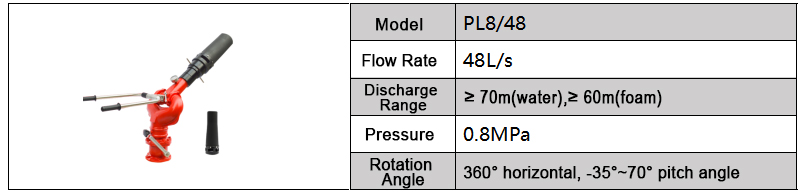
شاحنة إطفاء رغوية جهاز مراقبة الحريق تحديد:
شاحنة إطفاء رغوية جهاز توزيع الرغوة تحديد:
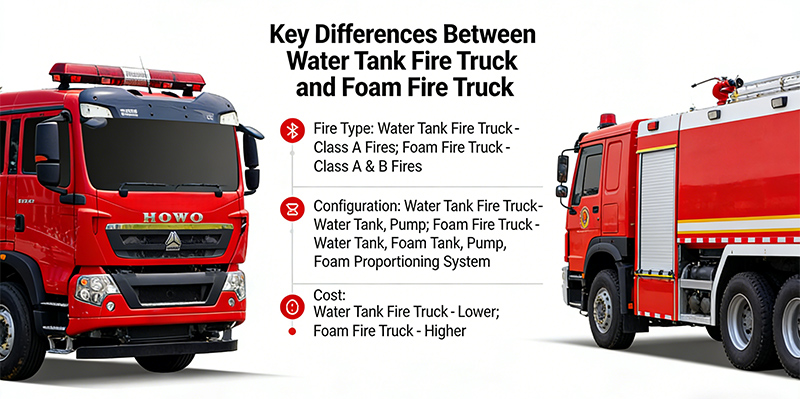
› طريقة مكافحة الحرائق: تستخدم شاحنة المياه الماء للتبريد والإطفاء؛ وتستخدم شاحنة الرغوة بطانية من الرغوة للخنق وقطع الأكسجين.
› نوع الحريق الأساسي: تتعامل شاحنة المياه مع الفئة أ (الخشب، الورق، القماش، البلاستيك)؛ وتتعامل شاحنة الرغوة مع الفئة ب (البنزين، الزيت، المواد الكيميائية، وقود الطائرات).
› تكوين الخزان: شاحنة المياه تحتوي على خزان مياه فقط؛ شاحنة الرغوة تحتوي على خزان مياه وخزان مركز رغوة.
› أنظمة إضافية: شاحنة المياه لا تحتوي على أي منها؛ شاحنة الرغوة تحتوي على نظام لتوزيع الرغوة.
› السرعة والكفاءة: شاحنة المياه موثوقة ولكنها قد تحتاج إلى المزيد من المياه؛ شاحنة الرغوة توفر إخمادًا أسرع لحرائق الوقود.
› تكلفة الشراء: شاحنة المياه أقل؛ شاحنة الرغوة أعلى.
› طريقة مكافحة الحرائق: تستخدم شاحنة المياه الماء للتبريد والإطفاء؛ وتستخدم شاحنة الرغوة بطانية من الرغوة للخنق وقطع الأكسجين.
› نوع الحريق الأساسي: تتعامل شاحنة المياه مع الفئة أ (الخشب، الورق، القماش، البلاستيك)؛ وتتعامل شاحنة الرغوة مع الفئة ب (البنزين، الزيت، المواد الكيميائية، وقود الطائرات).
› تكوين الخزان: شاحنة المياه تحتوي على خزان مياه فقط؛ شاحنة الرغوة تحتوي على خزان مياه وخزان مركز رغوة.
› أنظمة إضافية: شاحنة المياه لا تحتوي على أي منها؛ شاحنة الرغوة تحتوي على نظام لتوزيع الرغوة.
› السرعة والكفاءة: شاحنة المياه موثوقة ولكنها قد تحتاج إلى المزيد من المياه؛ شاحنة الرغوة توفر إخمادًا أسرع لحرائق الوقود.
› تكلفة الشراء: شاحنة المياه أقل؛ شاحنة الرغوة أعلى.
عند الاختيار بين شاحنة إطفاء تعمل بالماء وشاحنة إطفاء تعمل بالرغوة، ضع في اعتبارك مخاطر الحريق المحددة في منشأتك.
تتمثل مخاطر الحريق الرئيسية لديك في المواد القابلة للاشتعال العادية. تحترق المباني والمستودعات والمكاتب والمدارس والمنازل باستخدام مواد من الفئة (أ). الماء يعمل بشكل مثالي.
أنت تعمل في مجال التصنيع العام أو التعدين أو البناء. تحتاج هذه المواقع إلى حماية سريعة وسهلة الوصول من الحرائق. وتُعدّ شاحنات المياه خياراً موثوقاً وفعالاً من حيث التكلفة.
لديك إمكانية الوصول إلى مصادر المياه. إذا كانت منطقتك تحتوي على صنابير إطفاء الحرائق أو بحيرات أو أنهار، فيمكنك إعادة ملء خزانك بسرعة.
ميزانيتك محدودة. تكلفة شراء شاحنات المياه أقل، وكذلك تكلفة صيانتها. لا تحتاج إلى شراء مركزات الرغوة أو دفع تكاليف اختبارات إضافية.
أنت تكافح حرائق الغابات أو الأعشاب. الماء هو الأداة القياسية لإخماد حرائق الغطاء النباتي.
تتعامل منشأتك مع السوائل القابلة للاشتعال. تواجه المصانع الكيميائية ومصافي النفط ومستودعات تخزين الوقود ومحطات الوقود جميعها مخاطر حريق من الفئة ب. لذا، يُعدّ استخدام الرغوة ضروريًا.
أنت تدير مطاراً. لا يمكن إخماد حرائق وقود الطائرات بالماء وحده. تتطلب لوائح سلامة الطيران استخدام الرغوة.
أنت تعمل في منشآت البتروكيماويات أو المناجم أو المنصات البحرية. تحتاج هذه المناطق عالية الخطورة إلى رغوة للسيطرة على حرائق السوائل القابلة للاشتعال ومنع إعادة اشتعالها.
يجب عليك منع الضرر البيئي. تساعد الرغوة في احتواء المواد الخطرة أثناء الحريق، مما يقلل من انتشار المواد الخطرة.
يواجه قسمكم مخاطر مختلطة. إذا كنت تستجيب لكل من حرائق المباني وحوادث انسكاب الوقود، فإن شاحنة الرغوة تمنحك المرونة.
صُممت العديد من شاحنات الإطفاء الحديثة للتعامل مع كلٍ من الماء والرغوة. تتميز هذه الشاحنات بخزانات منفصلة للماء والرغوة، مزودة بنظام معايرة يسمح بالتبديل بين الماء فقط، أو الرغوة فقط، أو مزيج منهما. يوفر هذا التصميم مرونة قصوى، وغالبًا ما يكون الخيار الأمثل للمنشآت التي تواجه مخاطر حريق متنوعة.
تُعدّ شاحنات إطفاء الحرائق المائية وسيلةً موثوقةً واقتصاديةً لإخماد الحرائق العادية التي تشمل الخشب والورق والقماش والبلاستيك. أما شاحنات إطفاء الحرائق الرغوية فهي متخصصةٌ وضروريةٌ لإخماد حرائق السوائل القابلة للاشتعال مثل البنزين والديزل والمواد الكيميائية. وعند وجود مخاطر مختلطة، تُعدّ الشاحنة ثنائية الغرض التي تُزوّد بالماء والرغوة الخيار الأمثل من حيث القيمة.


قد تكون مهتمًا بالمعلومات التالية
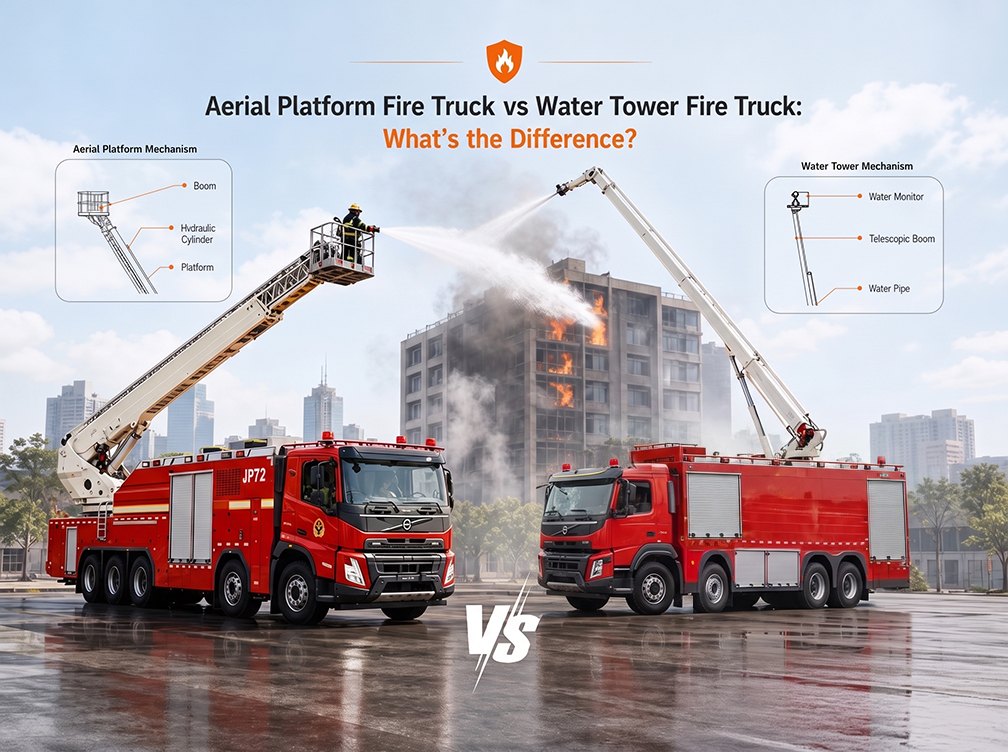
عندما يتعلق الأمر بمكافحة الحرائق في المباني الشاهقة أو المنشآت الصناعية أو المستودعات الكبيرة، فإن شاحنات الإطفاء الجوية لا غنى عنها. ولكن من بين الأنواع المختلفة من المعدات الجوية، هناك نوعان غالبًا ما يسببان الالتباس: الـشاحنة إطفاء بمنصة جوية والـشاحنة إطفاء ببرج مياه . وعلى الرغم من أنهما قد يبدوان متشابهين للوهلة الأولى — فكلاهما مزود بأذرع هيدروليكية ومصمم لعمليات مكافحة الحرائق المرتفعة — فإنهما يؤديان مهامًا مختلفة جوهريًا. توضح هذه المقالة الاختلافات الرئيسية بين هذين النوعين من المركبات، مما يساعد المتخصصين في خدمات الإطفاء ومديري المشتريات وموزعي المعدات على اتخاذ قرارات مستنيرة بناءً على الاحتياجات التشغيلية. أولًا. ما هي شاحنات المنصة الجوية؟ وفقًا للمعيار الوطني الصيني GB 7956.12-2015، تندرج كلتا المركبتين ضمن فئة مركبات مكافحة الحرائق الجوية — وهي مركبات مجهزة بأذرع رفع ومنصات دوارة ومعدات مكافحة حرائق للعمليات على الارتفاعات العالية. ومع ذلك، فإن تعريفاتهما المحددة تبرز اختلافًا جوهريًا. شاحنة إطفاء بمنصة جوية تُجهز شاحنة الإطفاء ذات المنصة الجوية بذراع مركب قابل للطي أو قابل للطي والتمدد، ومنصة للأفراد، ومنصة دوارة، وأجهزة مكافحة حرائق . وتتمثل السمة الأساسية في منصة العمل (السلة) الموجودة في نهاية الذراع، حيث يمكن لرجال الإطفاء الوقوف لتنفيذ عمليات الإنقاذ ومكافحة الحرائق. الخصائص الرئيسية:• مزودة بمنصة يمكنها حمل من 750 رطلاً إلى أكثر من 1,500 رطل من الأفراد والمعدات• مصممة لكل من الإنقاذ ومكافحة الحرائق — يمكن لرجال الإطفاء العمل مباشرة من المنصة• يمكن استخدام المنصة مع أجهزة التحكم في النزول أو الروافع الهيدروليكية أو مزالق الإنقاذ• مدى أفقي أوسع ونطاق عمل أكبر مقارنة بشاحنات أبراج المياه ثانيًاثانيًا . ما هي شاحنات إطفاء برج المياه؟ تُجهز شاحنة إطفاء برج المياه بذراع مركب قابل للطي أو قابل للطي والتمدد، ومنصة دوارة، وأجهزة مكافحة حرائق —من دون منصة للأفراد . وبدلًا من ذلك، يتم تركيب مدفع إطفاء (مدفع مياه) عند طرف الذراع، ويمكن التحكم به عن بُعد من الأرض. الخصائص الرئيسية:• لا توجد منصة للأفراد — يعمل رجال الإطفاء من الأرض عبر جهاز تحكم عن بُعد• تركز حصريًا على إخماد الحرائق على ارتفاعات عالية، وليس الإنقاذ• يوفر تدفق مياه مرتفعًا بشكل استثنائي—يتجاوز 2,000 جالون في الدقيقةفي العديد من الطرازات الصناعيةمصمم للحماية من الحرائق الصناعية حيث لا تكون قدرة الإنقاذ مطلوبة Ⅲ. مقارنة جنبًا إلى جنب الميزة شاحنة إطفاء بمنصة جوية شاحنة إطفاء ببرج مياه الوظيفة الأساسية الإنقاذ + مكافحة الحرائق مكافحة الحرائق فقط معدات طرف الذراع منصة عمل (سلة) للأفراد مدفع مراقبة الحرائق (مدفع مياه) الأفراد على الذراع نعم—يمكن لرجال الإطفاء التشغيل من المنصة لا—يتم التشغيل من الأرض عبر جهاز تحكم عن بُعد قدرة الإنقاذ عالية—يمكنها إجلاء الأشخاص المحاصرين لا يوجد قدرة تدفق المياه حتى 1,500+ جالون في الدقيقة 2,000+ جالون في الدقيقة (الطرازات الصناعية) ارتفاع التشغيل المعتاد 50–130 قدمًا 50–130 قدمًا سعة المنصة/السلة 750–1,500+ رطل غير منطبق الوزن أثقل (مثلًا 36 طنًا لطراز 54م) أخف نسبيًا الأفضل ملاءمة لـ إنقاذ المباني الحضرية الشاهقة، وأقسام الإطفاء متعددة المهام المواقع الصناعية، وإخماد الحرائق واسعة النطاق Ⅳ. متى تختار شاحنة إطفاء بمنصة جوية شاحنة الإطفاء بمنصة جوية هي الـجهاز جوي متعدد الاستخدامات الأمثل—فهي تتعامل مع كل من مكافحة الحرائق والإنقا...
تفاصيل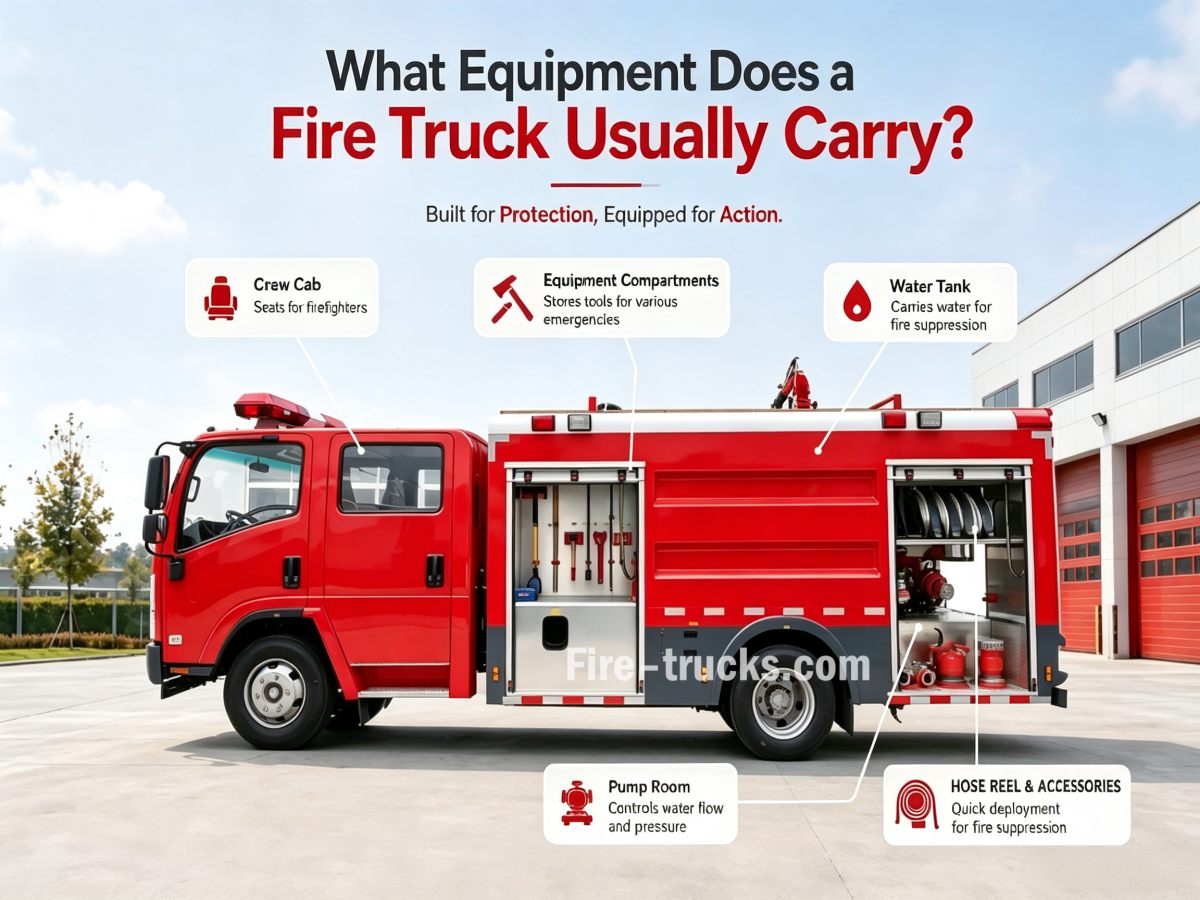
تحمل شاحنة الإطفاء عادةً معدات مكافحة الحرائق، وإمدادات المياه، والإنقاذ، ومعدات الحماية والسلامة. تشمل المعدات الشائعة مضخات الحريق، وخزانات المياه، وخراطيم الحريق، وفوهات الحريق، ومدافع المياه، والصمامات، وسلالم الحريق، وأدوات الإنقاذ، ومعدات الحماية، وأجهزة الاتصال. تستعرض هذه المقالة بشكل منهجي تصنيف ووظائف واعتبارات اختيار المعدات القياسية لـشاحنة إطفاء، مما يساعد المتخصصين في المشتريات والمستخدمين النهائيين على تكوين فهم شامل لتكوينات مركبات الإطفاء. أولاً. تصنيف معدات شاحنات الإطفاء 1. معدات مكافحة الحرائق— الأدوات الأساسية للإخماد المباشر للحرائق، بما في ذلك فوهات الحريق، ومدافع المياه، وخراطيم الحريق، وموزعات المياه، والوصلات. 2. معدات الإنقاذ والاختراق— أدوات لإنشاء مسارات وصول لعمليات الإنقاذ ومكافحة الحرائق، بما في ذلك أدوات الإنقاذ الهيدروليكية، وفؤوس الحريق، والقضبان الرافعة، والعتلات، ومناشير القطع، والمناشير الجنزيرية. 3. معدات الإنقاذ وإنقاذ الأرواح— معدات البحث ونقل وحماية الأفراد، بما في ذلك النقالات، وحبال الإنقاذ، وخطافات السلامة، وأجهزة التحكم في النزول، وأجهزة التنفس المستقلة (SCBA)، وأسطوانات الهواء الاحتياطية. 4. معدات طرد الدخان والإضاءة— معدات لتحسين ظروف موقع الحريق، بما في ذلك طاردات الدخان، وأبراج الإضاءة المتنقلة، وكشافات البحث المحمولة عالية الشدة. 5. معدات الحماية الشخصية (PPE)— تجهيزات لحماية سلامة رجال الإطفاء، بما في ذلك الخوذ، وملابس الحماية الهيكلية لمكافحة الحرائق، والقفازات، والأحذية، وأحزمة السلامة. 6. معدات الاتصال والاستطلاع— معدات لجمع المعلومات في موقع الحريق وتنسيق القيادة، بما في ذلك أجهزة الاتصال اللاسلكي ثنائية الاتجاه، وكاميرات التصوير الحراري، وكاشفات الغازات السامة. ثانياً. معدات مكافحة الحرائق على شاحنات الإطفاء 1. مضخة الحريق تُعد مضخة الحريق مصدر الطاقة لجميع عمليات مكافحة الحرائق. فهي تضغط المياه ميكانيكياً، مما يمنحها طاقة حركية كافية لإكمال العملية الكاملة: "السحب → الضغط → التوصيل → التفريغ". المواصفات النموذجية لمضخات الحريق: •مضخة حريق قياسية الضغط (نوع CB10/30):معدل التدفق ≥30 لتر/ثانية، ضغط مقدر 1.0 ميغاباسكال، تركيب خلفي. مناسبة لخزانات المياه القياسية وشاحنات إطفاء الرغوة، وتلبي معظم متطلبات إمداد المياه لمكافحة الحرائق في المناطق الحضرية والصناعية. •مضخة حريق متوسطة/عالية الضغط:تدفق الضغط المنخفض 30 لتر/ثانية عند 1.0 ميغاباسكال، وتدفق الضغط العالي 20 لتر/ثانية عند 2.0 ميغاباسكال، مع تركيب خلفي. يدعم التصميم ثنائي الضغط كلاً من الإمداد بكميات كبيرة (ضغط منخفض) والتوصيل لمسافات طويلة/للمباني العالية (ضغط مرتفع) في مضخة واحدة. مثالية لشاحنات الإطفاء الرئيسية في المدن وسيناريوهات مكافحة حرائق المباني العالية. •مضخة حريق عالية الضغط:معدل التدفق 10-15 لتر/ثانية، وضغط يصل إلى 4.0 ميغاباسكال أو أكثر، مع تركيب خلفي أو وسطي. تُستخدم في أنظمة رذاذ المياه عالي الضغط، وتوجد عادةً في شاحنات إطفاء المطارات والمركبات الصناعية المتخصصة. مسار تدفق نظام المياه الكامل: خزان المياه / مصدر المياه الطبيعي → مضخة الحريق (الأساسية) → مخارج التفريغ → موزع المياه → خرطوم الحريق → الفوهة / المدفع 2. مدفع المياه مدفع المياه هو جهاز تفريغ مياه كبير التدفق مثبت على سقف أو منصة شاحنة الإطفاء، ومصمم لإخماد الحرائق واسعة النطاق من مسافات بعيدة. ووفقاً لطريقة التحكم، تُصنف المدافع إلى: •مدفع مياه يدوي:يتم ضبط الاتجا...
تفاصيل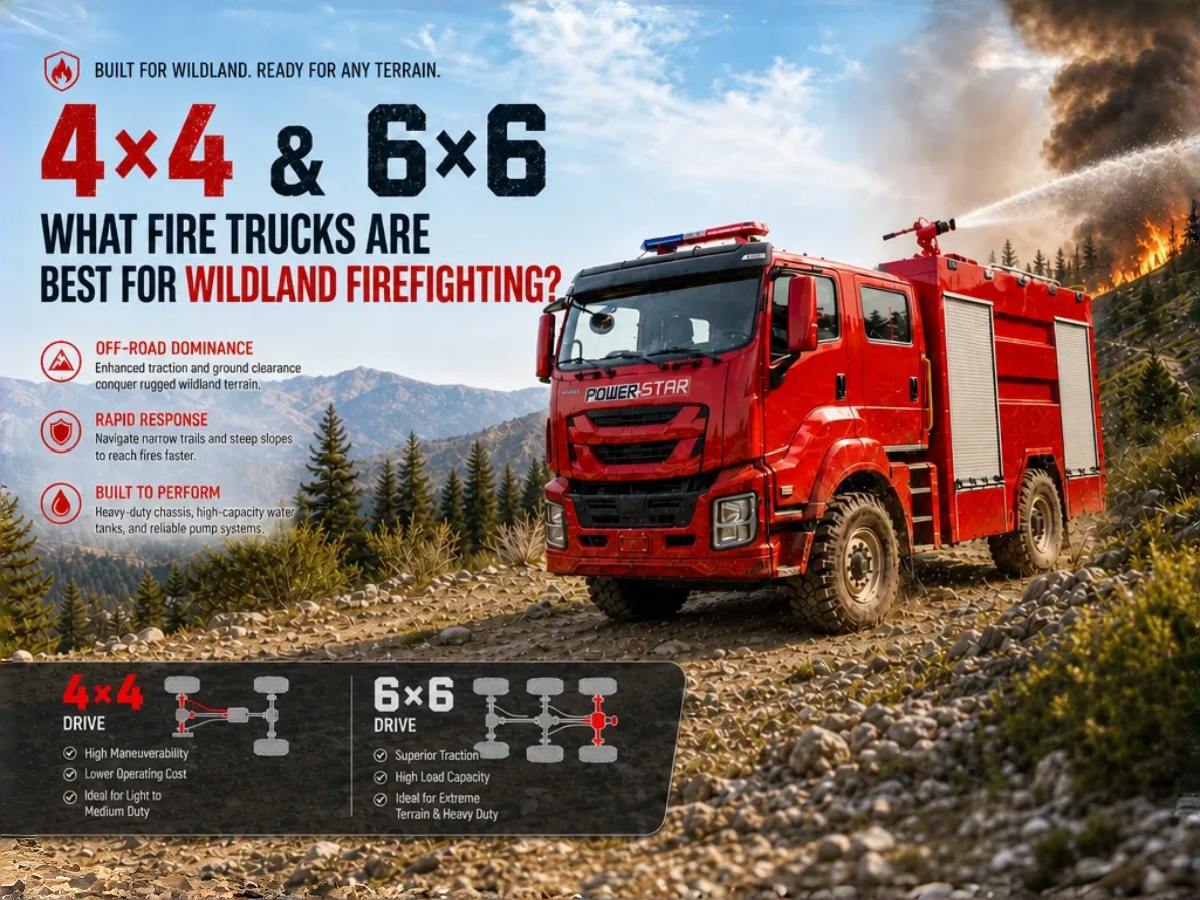
تُشكّل مكافحة حرائق المناطق البرية تحديات تختلف بشكل جوهري عن مكافحة حرائق المنشآت. ففي الغابات النائية والمراعي والتضاريس الجبلية، يجب على شاحنات الإطفاء اجتياز المسارات الضيقة، وصعود المنحدرات الشديدة، والعمل بعيدًا عن صنابير الحريق أو مصادر المياه. إن اختيار الشاحنة المناسبة لـ مكافحة الحرائق هو قرار استراتيجي يؤثر بشكل مباشر في زمن الاستجابة، وسلامة الطاقم، وفعالية إخماد الحرائق. تقدّم هذه المقالة تحليلًا شاملًا لأنواع شاحنات الإطفاء الأكثر ملاءمة لمكافحة حرائق المناطق البرية، وميزاتها الأساسية، وطرق اختيارها، مما يساعدك على اتخاذ القرار الصحيح بناءً على متطلبات التشغيل الخاصة بك. إجابة سريعة تتميز حرائق المناطق البرية بمساحات حريق كبيرة، وتضاريس معقدة، ومصادر مياه محدودة، وظروف طرق سيئة، لذلك لا توجد شاحنة إطفاء واحدة يمكنها التعامل مع جميع سيناريوهات حرائق الغابات. بشكل عام، تستخدم مكافحة حرائق المناطق البرية الأنواع التالية من شاحنات الإطفاء بشكل أساسي: • شاحنات إطفاء خفيفة للمناطق البرية: للوصول إلى طرق الغابات والاستجابة السريعة• شاحنات إطفاء للمناطق البرية بنظام دفع رباعي 4×4: للتضاريس الجبلية والتلال• شاحنات إطفاء للمناطق البرية بنظام دفع 6×6: لحرائق الغابات واسعة النطاق والعمليات الممتدة• صهاريج المياه: لإمداد المياه المستمر والدعم• شاحنات إطفاء الرغوة: لمنشآت النفط أو معدات الغابات أو الحرائق الخاصة• مركبات الإنقاذ: للاتصالات والإضاءة والاختراق ودعم الخدمات اللوجستية أولًا: لماذا تتطلب حرائق المناطق البرية شاحنات إطفاء متخصصة؟ تختلف حرائق المناطق البرية اختلافًا جوهريًا عن حرائق المنشآت في عدة جوانب حاسمة: الخصائص الرئيسية لحرائق المناطق البرية:• مساحات حريق كبيرة تغطي هكتارات من الأراضي• تغيرات سريعة في اتجاهات الرياح• تضاريس معقدة ووعرة• وصول محدود أو معدوم إلى صنابير الحريق أو مصادر المياه• طرق غابات ضيقة وغير معبّدة• ظروف اتصال صعبة تُعد شاحنات الإطفاء الحضرية القياسية غير مناسبة عمومًا لمكافحة حرائق المناطق البرية للأسباب التالية: • تفتقر إلى نظام الدفع الرباعي 4×4 أو الدفع بجميع العجلات للطرق الجبلية غير المعبّدة والمنحدرات الشديدة؛• حجمها الأكبر وارتفاعها المنخفض عن سطح الأرض يجعلانها عرضة للانغراس في مسارات الغابات الضيقة والتضاريس اللينة؛• تعطي مضخات المدن الأولوية للتدفق العالي عند ضغط متوسط، بينما تتطلب عمليات المناطق البرية ضغطًا عاليًا عبر خراطيم ممتدة مع كمية مياه محدودة — وهو نهج مختلف جوهريًا. ثانيًا: الأنواع الشائعة لشاحنات إطفاء المناطق البرية نوع شاحنة الإطفاء الخصائص الرئيسية السيناريوهات المناسبة شاحنة إطفاء خفيفة للمناطق البرية قدرة حركة عالية، وحجم مدمج دوريات الغابات، والهجوم الأولي شاحنة إطفاء للمناطق البرية بنظام دفع 4x4 قدرة قوية على الطرق الوعرة التضاريس الجبلية والتلال شاحنة إطفاء للمناطق البرية بنظام دفع 6x6 سعة مياه كبيرة، قدرة تحمل طويلة حرائق الغابات واسعة النطاق ناقلة مياه إمداد مياه مستمر دعم لوجستي، نقل المياه بالتتابع شاحنة إطفاء بالرغوة إخماد حرائق متخصص مستودعات النفط في الغابات، مناطق المعدات مركبة إنقاذ نقل المعدات عمليات إنقاذ شاملة III. ما هي ميزات الأداء الرئيسية التي تحتاجها شاحنات إطفاء حرائق المناطق البرية؟ 1. القدرة على الطرق الوعرة تحتاج شاحنات إطفاء حرائق المناطق البرية إلى أداء قوي على الطرق الوعرة للعمل بفعالية في التضاريس الصعبة: تكوين نظام الدفع:• الدفع الرباعي 4×4 هو الحد ا...
تفاصيل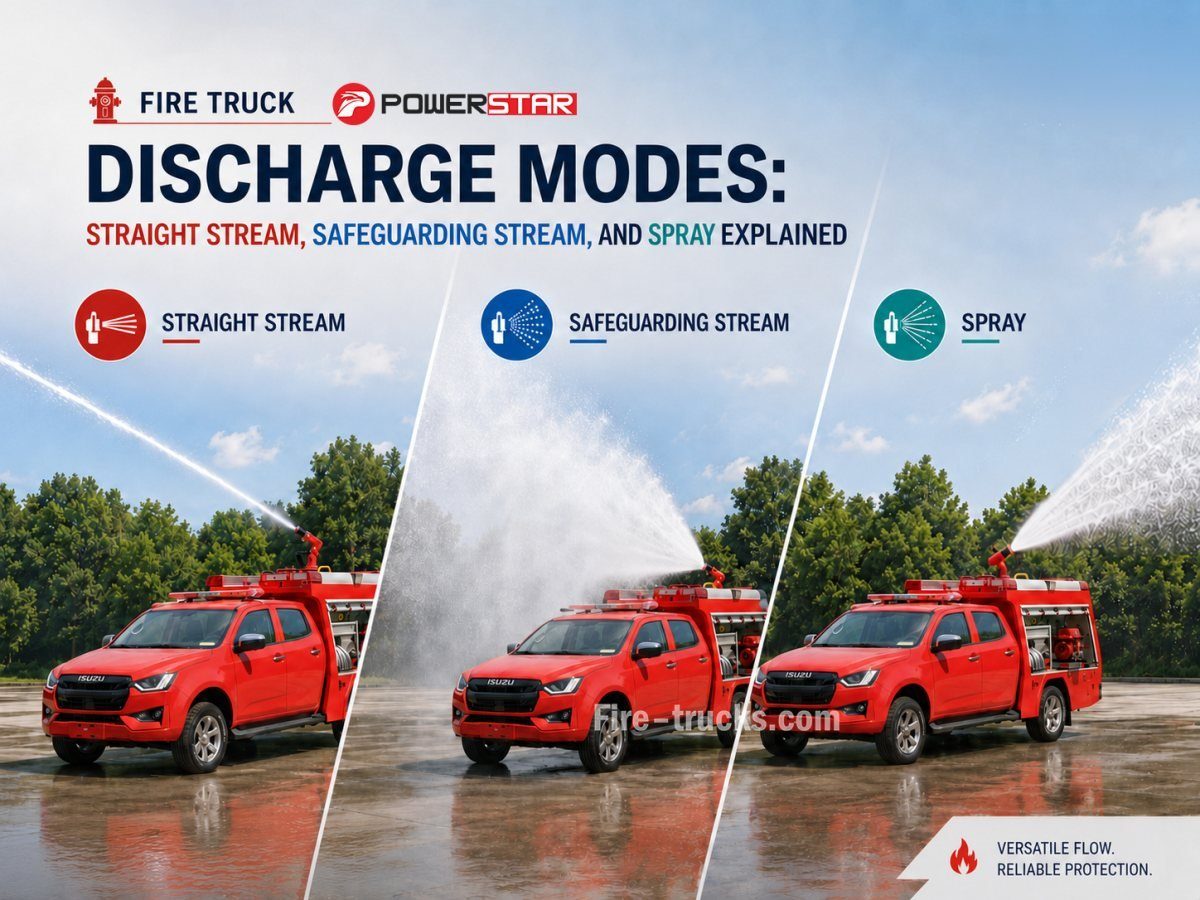
في عمليات مكافحة الحرائق، يحدد اختيار وضع التفريغ مباشرة كفاءة إخماد الحريق، وسلامة التشغيل، وفعالية السيطرة على الحريق. لا يدرك معظم الناس أن شاحنة الإطفاء يمكن لفوهاتها التبديل بين ثلاثة أوضاع أساسية للتفريغ: النفاث المستقيم، والنفاث الرذاذي، والنفاث الوقائي. تختلف الأوضاع الثلاثة بشكل كبير في نمط التدفق، والمدى، وقوة التأثير، ومنطقة التغطية، ويتوافق كل منها مع سيناريوهات حرائق مختلفة تمامًا. تستند هذه المقالة إلى معايير عمليات مكافحة الحرائق المهنية، وتقدم تحليلًا شاملًا لمبادئ أوضاع التفريغ الثلاثة وخصائصها الرئيسية وسيناريوهات تطبيقها، مما يساعد عملاءنا على إتقان تقنيات تفريغ شاحنات الإطفاء بشكل منهجي. أولًا: لماذا تحتاج شاحنات الإطفاء إلى أوضاع تفريغ مختلفة؟ يتوافق النفاث المستقيم، والنفاث الرذاذي، والنفاث الوقائي مع ثلاث آليات مختلفة لإخماد الحرائق: الإخماد بالتأثير، والاختناق بالتبخير، والحماية من الإشعاع الحراري. يجب على رجال الإطفاء التبديل بمرونة وفقًا لظروف الموقع. لذا، لماذا لا يمكننا الاستمرار في استخدام نوع واحد فقط من النفاث؟ 1. تنوع أنواع الحرائق يتطلب أشكالًا مختلفة من مواد الإطفاء تختلف خصائص الاحتراق باختلاف أنواع الحرائق، مما يحدد طريقة الإخماد المناسبة: • تتطلب حرائق المواد الصلبة من الفئة A تأثير النفاث المستقيم لتفتيت المواد المشتعلة واختراقها للتبريد الداخلي؛ • لا يمكن استخدام تأثير النفاث المستقيم مع حرائق السوائل من الفئة B (لأنه يسبب التناثر وانتشار الحريق)، بل يجب استخدام النفاث الوقائي أو النفاث الرذاذي للتغطية والتخفيف؛ • لا يمكن استخدام النفاث الرذاذي إلا مع حرائق الكهرباء النشطة من الفئة E، لأن قطرات الماء الدقيقة لا تشكل مسارًا موصلًا مستمرًا؛ • تتطلب حرائق الأماكن المغلقة النفاث الرذاذي لملء المكان بالكامل، وتحقيق الإخماد من خلال امتصاص حرارة التبخر والاختناق. لا يمكن لأي وضع واحد أن يتكيف مع جميع أنواع الحرائق. 2. تتطلب المراحل المختلفة للحريق نفسه أساليب تكتيكية مختلفة حتى بالنسبة للحريق نفسه، تتطلب المراحل المختلفة أوضاع تفريغ مختلفة: • في المرحلة الأولية عندما يكون الحريق شديدًا، يلزم استخدام النفاث المستقيم للتأثير بعيد المدى على نقطة الحريق من أجل السيطرة السريعة؛ • أثناء التقدم، يلزم استخدام النفاث الوقائي لتشكيل حاجز ستارة مائية يحجب الإشعاع الحراري ويحمي الأفراد؛ • قبل دخول الغرفة، يلزم استخدام النفاث الرذاذي لتبريد الدخان والغازات وتخفيف تركيزها، وتهيئة الظروف للهجوم الداخلي. لا يمكن لوضع واحد تغطية الاحتياجات التشغيلية طوال عملية مكافحة الحريق بأكملها. 3. لا يمكن تحقيق المدى ومنطقة التغطية وكفاءة التبريد في الوقت نفسه لكل من الأوضاع الثلاثة مزايا وعيوب خاصة به ضمن ثلاثة أبعاد رئيسية: • يتميز النفاث المستقيم بأطول مدى (يصل إلى أكثر من 120 مترًا)، لكنه يمتلك منطقة تغطية صغيرة ومحددة كنقطة فقط؛ • يملأ النفاث الرذاذي المكان ويتمتع بأعلى كفاءة في امتصاص حرارة التبخر، لكنه يمتلك أقصر مدى؛ • يمتلك النفاث الوقائي منطقة تغطية كبيرة مع انتشار على شكل مروحة، لكنه أقصر مدى. نظرًا لاختلاف أنواع الحرائق، واختلاف مراحلها، واختلاف الأهداف التكتيكية، لا يمكن لأي شكل واحد من النفاثات أن يكون مناسبًا لجميع سيناريوهات الحريق. إن الجمع بين الأوضاع الثلاثة والتبديل السريع بينها يمثل القدرة التشغيلية الأساسية لشاحنات الإطفاء على التكيف مع ظروف موقع الحريق المتغيرة. ثانيًا: وضع النفاث المستقيم: هجوم بعيد المدى واختراق مباشر ...
تفاصيل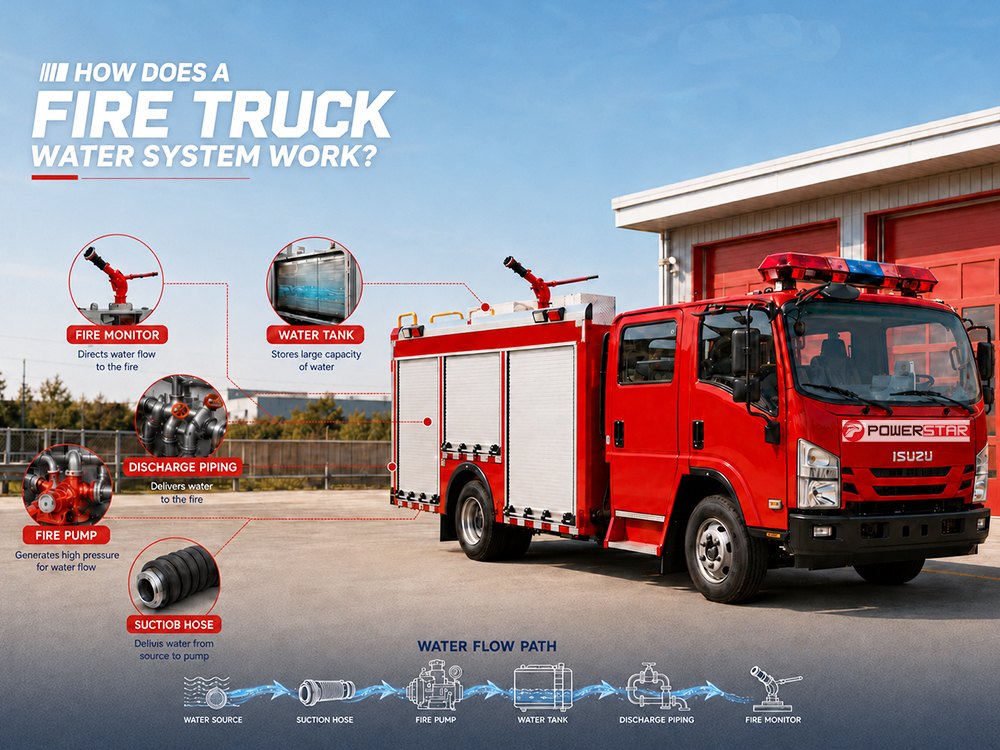
نظام سباكة مياه شاحنة الإطفاء هو جوهر كل عملية من عمليات مكافحة الحرائق. فهو يوجه المياه بدقة من الخزان أو من مصدر خارجي عبر المضخة والصمامات والأنابيب لتوصيل مياه عالية الضغط أو الرغوة إلى موقع الحريق — سواء كان حريقًا في مبنى شاهق في مركز مدينة كثيف أو حريق خزان تخزين بتروكيميائي في منطقة صناعية. شاحنة الإطفاءيتكون نظام سباكة المياه من عدة مكونات تعمل معًا: مضخة الحريق، خزان المياه، خرطوم السحب، أنابيب التصريف، الصمامات، وصلة التفرع، وصلة التجميع، المصفاة، مراقب الحريق، وصلات الخراطيم، وغير ذلك. مسار التدفق الكامل هو: خزان المياه → خرطوم السحب → المصفاة → مضخة الحريق → نظام تنظيم الضغط → مجمع التصريف → الصمامات → وصلة التفرع → مراقب الحريق / وصلات الخراطيم → الفوهة تشرح هذه المقالة كل مكون من مكونات نظام سباكة المياه وكيف تعمل معًا لتوصيل المياه بالضغط ومعدل التدفق المناسبين. I. المكونات الأساسية لنظام سباكة المياه خزان المياه يخزن إمدادات المياه الموجودة على متن المركبة. ● السعة:عادةً 2,000–12,000 لتر. ● التوصيل:يغذي المضخة عبر أنابيب السحب. ● الميزات:حواجز مضادة لتلاطم المياه لتحقيق استقرار المركبة، ومصفاة لترشيح الشوائب، ونظام تحضير للسحب من مصادر المياه الطبيعية. مضخة الحريق مضخة طرد مركزي تعمل بمحرك الشاحنة عبر PTO؛ أحادية/متعددة المراحل، من الحديد الزهر أو البرونز. ●درجات الضغط: متوفرة بتصنيفات قياسية تبلغ 0.8 ميغاباسكال و1.0 ميغاباسكال و1.2 ميغاباسكال و1.4 ميغاباسكال، بما يتوافق مع متطلبات مكافحة الحرائق المعتادة. ●معدلات التدفق: تتراوح من 1,200 إلى 6,000 لتر/دقيقة، مع منحنيات أداء محسّنة لكل من عمليات الضغط العالي والتدفق الكبير. الصمامات والأنابيب شبكة من الأنابيب والصمامات تتحكم في اتجاه وحجم تدفق المياه. ●صمام السحب: يربط المضخة بمصادر المياه الخارجية (صنبور إطفاء أو نقطة سحب). ● صمام الخزان إلى المضخة: يسمح للمضخة بسحب المياه مباشرة من الخزان الموجود على متن المركبة. ● صمامات التصريف: تتحكم في تدفق المياه إلى الخراطيم والفوهات. II. كيفية عمل نظام سباكة مياه شاحنة الإطفاء الخطوة 1: سحب المياه والتحضير تدخل المياه إلى النظام من الخزان الموجود على متن المركبة، أو صنبور إطفاء الحريق، أو مصادر المياه الطبيعية (البحيرات والأنهار والبرك). عند السحب من المصادر الطبيعية، يقوم نظام التحضير (مضخة تفريغ) بإزالة الهواء من خرطوم السحب، مما ينشئ فراغًا يسمح للضغط الجوي بدفع المياه إلى المضخة. تقوم المصفاة بترشيح الشوائب لحماية المضخة، ويمنع صمام عدم الرجوع التدفق العكسي. الخطوة 2: ضغط المضخة يتم تشغيل مضخة الطرد المركزي بواسطة محرك الشاحنة عبر مأخذ قدرة (PTO). بمجرد امتلاء المضخة بالماء، تدور المروحة بسرعة عالية (1,500–2,500 دورة في الدقيقة). تدفع قوة الطرد المركزي الماء إلى الخارج، مما يزيد من سرعته. يحول غلاف المضخة هذه السرعة إلى ضغط (عادةً 0.8–1.2 ميغاباسكال). يحافظ منظم الضغط الإلكتروني تلقائيًا على الضغط المحدد، بينما يمنع صمام التنفيس زيادة الضغط المفرطة. الخطوة 3: التصريف والتوزيع يتدفق الماء المضغوط من المضخة عبر مجمع التصريف، الذي يوزع الماء إلى منافذ متعددة. تتحكم الصمامات في التدفق إلى كل منفذ. يقسم وصلة التشعيب التدفق المائي إلى عدة خطوط خراطيم، مما يسمح لعدة رجال إطفاء بمكافحة الحريق في الوقت نفسه. تجمع وصلة التجميع الماء من عدة خطوط إمداد عند الحاجة إلى تدفق إضافي. يتم توصيل الماء عبر مدافع الحريق (إطفاء حرائق عن بُعد بتدفق عالٍ)، ...
تفاصيل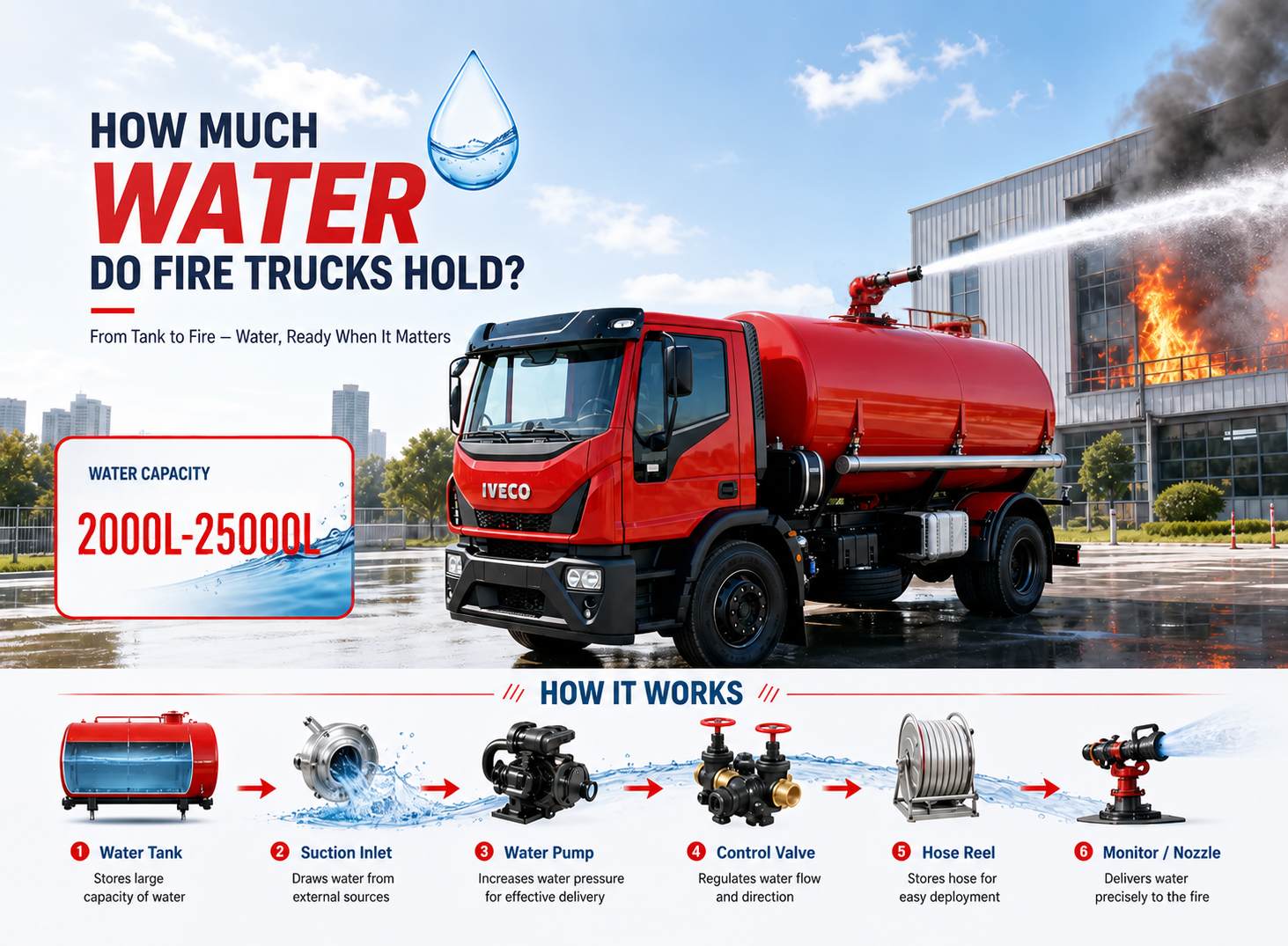
ما كمية المياه التي يمكن لشاحنة إطفاء حملها؟ هذا أحد الأسئلة الأولى التي يواجهها عملاؤنا عند اختيار شاحنة إطفاء. لا يوجد رقم ثابت واحد — إذ يعتمد ذلك على نوع المركبة، وسعة الهيكل، والغرض من التصميم، واللوائح الإقليمية، ويتراوح من وحدات خفيفة بسعة 2,000 لتر إلى شاحنات إطفاء صناعية بسعة 25,000 لتر. لكن الخزان الأكبر لا يعني دائمًا أداءً أفضل؛مركبة مكافحة الحرائق يجب أن تتطابق سعة خزان المياه بشكل مناسب مع معدل تدفق المضخة، ومعدل تصريف المراقب، وسعة الهيكل لتحقيق نتائج فعالة في مكافحة الحرائق. تبدأ هذه المقالة بأساسيات سعة خزان مياه شاحنات الإطفاء، وتحلل نطاقات التخزين النموذجية لأنواع المركبات المختلفة، وتفحص العوامل الرئيسية التي تؤثر في تصميم الخزان، وتقدم إرشادات عملية للشراء. النقاط الرئيسية: تتراوح سعة خزان مياه شاحنات الإطفاء عادةً من 2,000 إلى 25,000 لتر تختلف سعات الخزانات باختلاف أنواع شاحنات الإطفاء الخزان الأكبر لا يعني قدرة أفضل على مكافحة الحرائق يجب مواءمة سعة الخزان مع تدفق المضخة، وتدفق المراقب، وسعة الهيكل تتطلب مكافحة الحرائق الصناعية عادةً خزانات كبيرة، بينما تعطي مكافحة الحرائق البلدية الأولوية لقدرة المناورة » أولًا. ثلاثة أنواع أساسية من خزانات مياه شاحنات الإطفاء شاحنات الضخ:هذه هي أكثر شاحنات الإطفاء البلدية شيوعًا. تعتمد بشكل أساسي على صنابير إطفاء الحريق كمصدر لإمداد المياه وتحمل ما يقارب 1,900–3,800 لتر من المياه على متنها للهجوم الأولي. يتمثل جوهر هذه المركبات في المضخة وليس الخزان — فهي مصممة لتوصيل المياه المضغوطة بعد توصيلها بصنبور الإطفاء. شاحنات الصهاريج (ناقلات المياه):هذه المركبات مخصصة لنقل كميات كبيرة من المياه، حيث تتجاوز سعة خزاناتها عادةً 11,400 لتر. وتلعب دورًا حاسمًا في المناطق الريفية والنائية التي لا تتوفر فيها صنابير إطفاء، إذ تنقل المياه من مصادرها إلى موقع الحريق لاستخدامها بواسطة شاحنات الضخ. شاحنات الضخ والصهاريج:تجمع هذه المركبات بين وظائف الضخ ونقل المياه في وحدة واحدة. ويمكنها تفريغ المياه لمكافحة الحرائق وتزويد المركبات الأخرى بالمياه في الوقت نفسه. تتراوح سعة خزاناتها عادةً من 5,700 إلى 11,400 لتر، مما يجعلها حلاً متعدد الاستخدامات لأقسام الإطفاء. » ثانيًا. ما كمية المياه التي يمكن لأنواع شاحنات الإطفاء المختلفة حملها؟ نوع شاحنة الإطفاء سعة الخزان النموذجية الاستخدام الأساسي شاحنة إطفاء خفيفة 2,000–3,000 لتر استجابة سريعة حضرية، والهجوم الأولي شاحنة ضخ بلدية 3,000–6,000 لتر مكافحة الحرائق البلدية، وحرائق المنشآت شاحنة ضخ متوسطة 6,000–10,000 لتر مهام حضرية وصناعية مشتركة شاحنة ضخ ثقيلة 10,000–15,000 لتر عمليات ممتدة، واستجابة لمسافات طويلة شاحنة إطفاء صناعية 15,000–25,000 لتر مكافحة حرائق النفط والمواد الكيميائية والتعدين » ثالثًا. كيف يعمل نظام المياه في شاحنة الإطفاء؟ شاحنة الإطفاء ليست مجرد خزان مياه متنقل — بل هي نظام كامل لتوصيل المياه. يجب أن تمر المياه المخزنة في الخزان عبر عدة مكونات رئيسية قبل أن تصل إلى الحريق. ومسار التدفق الكامل هو: خزان المياه → أنابيب السحب → مضخة الحريق → نظام التحكم في الضغط → مجمع التصريف → مدفع الحريق/الفوهة/الخرطوم خزان المياه خزان المياه هو حاوية التخزين الأساسية. يؤثر تصميمه بشكل مباشر على حجم المياه القابلة للاستخدام وعمر الخدمة. حواجز منع التمايل:حواجز داخلية تمنع اندفاع المياه أثناء القيادة والانعطافات الحادة، مما يحافظ على استقرار المركبة. مواد مقاومة...
تفاصيل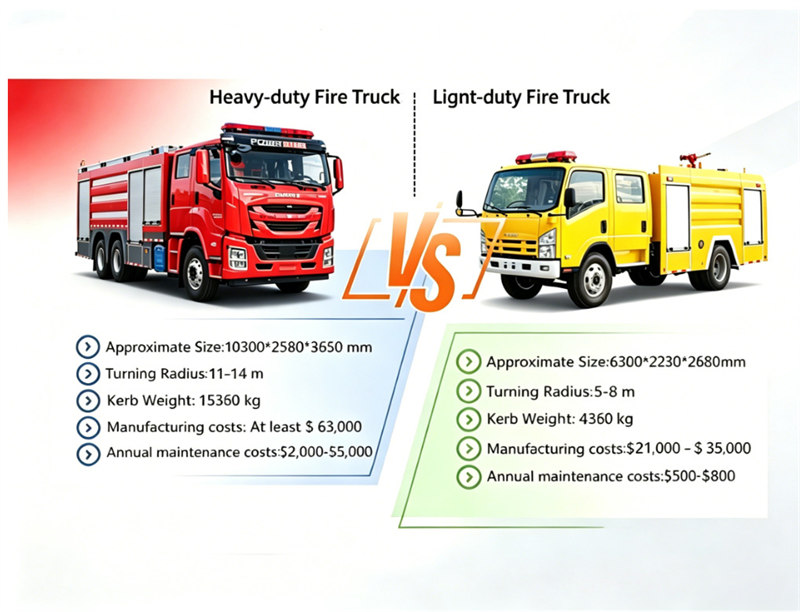
شاحنة إطفاء وإنقاذتختلف الاحتياجات بشكل كبير بين المناطق الحضرية الكبرى والمجتمعات الريفية أو البلدات الصغيرة. تعتمد إدارات الإطفاء الحضرية الكبيرة على شاحنات إطفاء للخدمة الشاقة مزودة بخزانات مياه ضخمة، وسلالم عالية الارتفاع، وتجهيزات صناعية كاملة للتعامل مع حرائق المباني الشاهقة، والحرائق الصناعية، وحالات الطوارئ واسعة النطاق. ومع ذلك، بالنسبة للمدن الصغيرة، والبلدات الريفية، ومحطات الإطفاء في القرى، وإدارات الإطفاء التطوعية، غالبًا ما تصبح شاحنات الإطفاء الثقيلة عبئًا أكثر من كونها ميزة. ولهذا أصبحت شاحنات الإطفاء الخفيفة الحل السائد والأكثر عملية لإدارات الإطفاء في المدن الصغيرة والمناطق الريفية حول العالم. فهي تجمع بين الحجم المدمج، والقدرة على الحركة المرنة، ووظائف الإنقاذ الأساسية الكاملة، والتكاليف الإجمالية المنخفضة، مما يجعلها مناسبة تمامًا لاحتياجات الإنقاذ اليومية والوقاية من الحرائق لدى فرق الإطفاء المحلية. شاحنة الإطفاء الخفيفة هي مركبة طوارئ مدمجة وخفيفة الوزن مصممة خصيصًا لسيناريوهات الإطفاء المحلية والضواحي والمناطق الريفية. I. مقارنة بين شاحنات الإطفاء للخدمة الشاقة وشاحنات الإطفاء للخدمة الخفيفة: لرؤية الفجوة بوضوح بينعرضشاحنات الإطفاء الثقيلة والخفيفة، أعددنا مخطط مقارنة مباشر يغطي المقاييس العملية الأساسية. تمتد الطرازات الثقيلة لأكثر من 10 أمتار مع نصف قطر دوران يبلغ 11–14 مترًا ووزن فارغ يبلغ 15 طنًا، وتكلف ما لا يقل عن 63,000 دولار للبناء بالإضافة إلى 2,000–5,000 دولار سنويًا للصيانة. وعلى النقيض، تقلل شاحنات الإطفاء الخفيفة المدمجة الأبعاد إلى النصف تقريبًا، ويبلغ وزنها 4,360 كجم فقط، وتبدأ أسعارها من 21,000 دولار، وتحافظ على صيانة سنوية أقل من 800 دولار، مما يوفر قدرة حركة وقيمة اقتصادية أفضل بكثير لمحطات الإطفاء الريفية ومحطات البلدات الصغيرة. Ⅱ.أبرز مزايا شاحنات الإطفاء الخفيفة: 1.تصميم خفيف الوزن مع قدرة تحمل حمولة عالية. يبقى الوزن الإجمالي للمركبة أقل من 8,000 كجم حتى عند تحميلها بالكامل، مما يتيح استجابة طوارئ فائقة السرعة. 2.يتوفر تخصيص نظام الدفع الرباعي للتعامل مع أسطح الطرق الوعرة وغير المستوية الشائعة في المناطق النائية. 3.يتم الحفاظ بالكامل على وظائف مكافحة الحرائق الشاملة: أ. خزّانان مستقلان للمياه ورغوة إخماد الحرائق. ب. مقصورة طاقم مزدوجة الصفوف لاستيعاب فريق كامل من رجال الإطفاء المستجيبين. ج. مخزون قياسي كامل من أدوات الإنقاذ والطوارئ الخاصة بمكافحة الحرائق. د. إضافات اختيارية تشمل أنظمة إضاءة موقع الحادث ومعدات السحب. 4.يعمل نظام مأخذ القدرة (PTO) كمحرك التشغيل الأساسي. ويتميز بعناصر تحكم سهلة الاستخدام وصيانة بسيطة واستبدال سهل للمكونات. تقلل المكونات الأساسية المتينة تكاليف التشغيل طويلة الأمد لحالات الطوارئ بشكل كبير لإدارات الإطفاء الريفية وإدارات الإطفاء في البلدات. Ⅲالنماذج التالية هي أشهر طرازات شاحنات الإطفاء الخفيفة: طراز الهيكل HOWO 1880 نظام الدفع مقود يمين/مقود يسار، ويمكن اختيار 4×2/4×4 قوة المحرك 160 حصان الوزن الفارغ 4350 كجم السعة خزان مياه 3 متر مكعب + خزان رغوة 1.5 متر مكعب مضخة الإطفاء CB10/40 مدفع الإطفاء PL48 مدى التشغيل 55 متر طراز الهيكل ISUZU NPR 700P نظام الدفع يمكن اختيار المقود الأيمن/المقود الأيسر، دفع 4x2/4x4 بشكل اختياري قوة المحرك 190 حصان الوزن الفارغ 4450 كجم السعة خزان مياه 3 متر مكعب + خزان رغوة 1.5 متر مكعب مضخة إطفاء CB10/40 مدفع إطف...
تفاصيل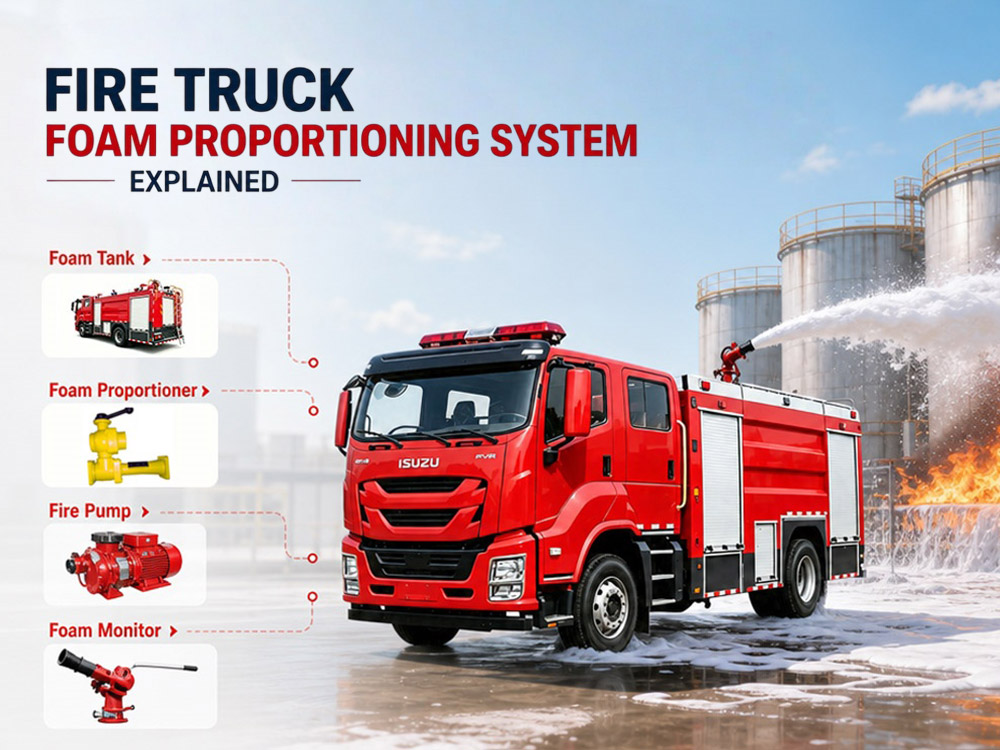
يمزج نظام الرغوة في شاحنة الإطفاء الماء مع مركز الرغوة بنِسَب دقيقة (1% أو 3% أو 6%) لإنشاء محلول رغوي. ثم يُضغط هذا المحلول بواسطة مضخة الإطفاء ويتمدد مع الهواء عبر فوهات الرغوة — وهذا هو المبدأ الأساسي لكيفية عمل شاحنة إطفاء الرغوة التي تمزج الرغوة والماء — مما يؤدي في النهاية إلى إنتاج طبقة رغوية مستقرة تغطي سطح الوقود. تزيد هذه العملية من كفاءة مكافحة الحرائق بأكثر من 50% مع تقليل هدر مركز الرغوة بنسبة 30%. » I. لماذا تحتاج شاحنة الإطفاء إلى نظام رغوة؟ بالمقارنة مع استخدام الماء وحده، توفر الرغوة ثلاث مزايا رئيسية: 1. عزل الأكسجين— تغطي الرغوة السطح المشتعل، مكوّنة حاجزًا ماديًا كثيفًا يمنع وصول الأكسجين إلى منطقة الاحتراق، وبالتالي يخمد الحريق. 2. خفض درجة الحرارة— يمتص محتوى الماء في محلول الرغوة كميات كبيرة من الحرارة عند تبخره، مما يقلل بسرعة درجة حرارة المنطقة المشتعلة. 3. منع إعادة الاشتعال— تستمر طبقة الرغوة في تغطية منطقة الحريق حتى بعد الإخماد، مما يعزل الأكسجين والأبخرة القابلة للاشتعال بفعالية، ويقلل بشكل كبير من خطر إعادة الاشتعال. » II. المبادئ الأساسية لتشغيل نظام الرغوة 1. نظام المزج:يتدفق الماء عبر جهاز المزج → يُنشئ ضغطًا سلبيًا (نظام الضغط السلبي) أو يستخدم مضخة رغوة (نظام الضغط الإيجابي) → يسحب مركز الرغوة من خزان الرغوة → يمزج بنسبة محددة مسبقًا (1% أو 3% أو 6%) → يتدفق محلول الرغوة إلى المضخة. 2. ضغط المضخة:يدخل محلول الرغوة إلى المضخة الطاردة المركزية → يُضغط إلى 0.8–1.2 ميغاباسكال → يُنقل عبر الأنابيب إلى مخارج التفريغ أو مدفع الرغوة. 3. تمدد الرغوة:يمر محلول الرغوة المضغوط عبر فوهة رغوة أو جهاز تهوية → يُسحب الهواء إليه → يتمدد المحلول ليصبح رغوة جاهزة → يغطي سطح الوقود → يقطع وصول الأكسجين ويخمد الحريق. المفهوم الأساسي:مركز الرغوة + الماء لا يساوي رغوة جاهزة. فمحلول الرغوة المختلط لا يزال سائلًا — ويجب دمجه مع الهواء عبر فوهة الرغوة ليصبح رغوة حقيقية لمكافحة الحرائق. عندما يمر محلول الرغوة عالي الضغط عبر الفوهة بسرعة عالية، فإنه ينشئ منطقة ضغط سلبي محلية تسحب الهواء إليها بقوة. يصطدم الهواء والسائل ويتعرضان للقص العنيف داخل الفوهة، مما يؤدي فورًا إلى تفككهما إلى ملايين الفقاعات الصغيرة التي تتراكم لتشكّل رغوة بيضاء. » III. كيف تمزج شاحنة الإطفاء الرغوة والماء؟ تتكون عملية مزج الرغوة في شاحنة الإطفاء من أربع خطوات رئيسية، بدءًا من إمداد الماء وحتى تكوين الرغوة النهائية. الخطوة 1: توفر مضخة الإطفاء تدفق الماء بعد تشغيل شاحنة الإطفاء، توفر مضخة الإطفاء الطاقة لنظام الرغوة. يمكن أن تشمل مصادر الماء الخزان الموجود على متن الشاحنة، أو صنبور الحريق، أو الأنهار، أو البحيرات، أو الخزانات. وتتحمل مضخة الإطفاء مسؤولية بناء ضغط الماء، وتوفير تدفق مستقر، ودفع الماء إلى نظام مزج الرغوة. الخطوة 2: يدخل مركز الرغوة إلى النظام تُجهز شاحنة الإطفاء بخزان رغوة مستقل (فولاذ مقاوم للصدأ 304، بسعة 200–2,000 لتر). عندما يقوم المشغل بتفعيل وضع الرغوة، يدخل مركز الرغوة إلى تيار الماء. الخطوة 3: يتم مزج مركز الرغوة والماء بالنسبة المناسبة يتحكم نظام مزج الرغوة بدقة في كمية مركز الرغوة المضافة بناءً على النسبة المحددة مسبقًا. مثال على الحساب:معدل تدفق مضخة الإطفاء هو 60 لتر/ثانية، ونسبة الرغوة 3%، إذن 60 × 3% = تتم إضافة 1.8 لتر/ثانية من مركز الرغوة في كل ثانية، مما ينتج معدل تدفق لمحلول الرغوة يبلغ 61.8 لتر/ثانية. نِسَب المزج الشائعة والتطبيقات...
تفاصيل
الرجاء المتابعة، والاطلاع على آخر المستجدات، والاشتراك، ونرحب بآرائكم.

 شبكة IPv6 مدعومة

 العربية
 English
 français
 Deutsch
 русский
 italiano
 español
 português
 Nederlands
 日本語
日本語 한국의
한국의 Türkçe
 Melayu
 ไทย
ไทย Tiếng Việt
 Indonesia
  中文
中文 қазақ
қазақ Filipino
 မြန်မာ
 српски