ترك رسالة
إذا كنت مهتمًا بمنتجاتنا وتريد معرفة المزيد من التفاصيل، فيرجى ترك رسالة هنا، وسوف نقوم بالرد عليك في أقرب وقت ممكن.

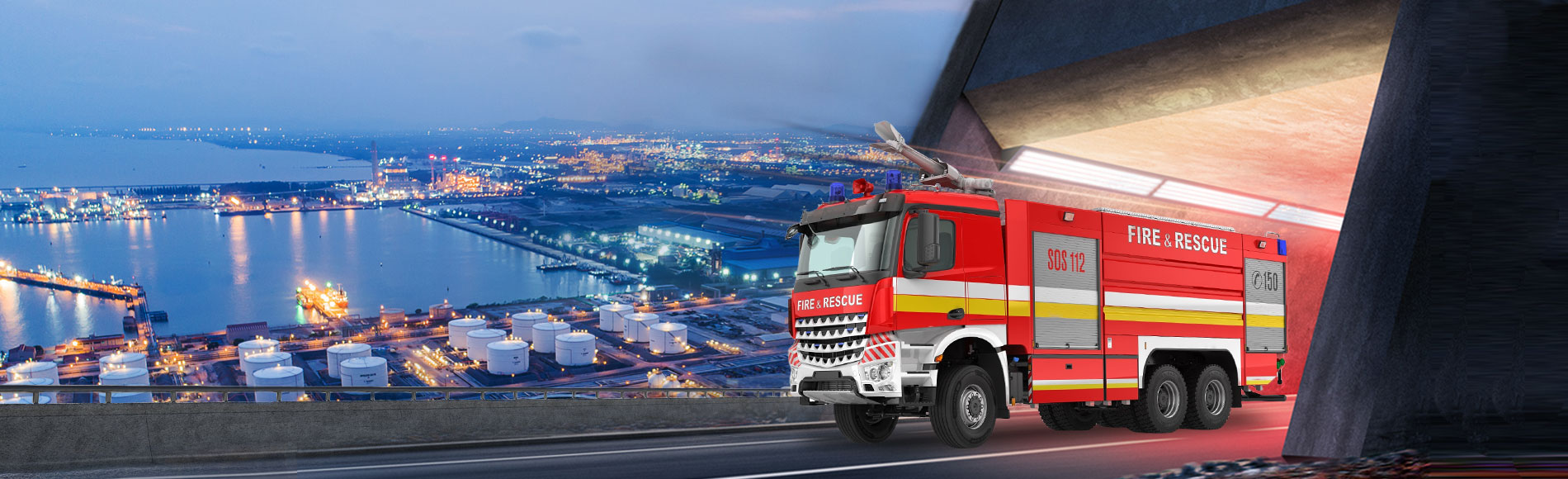
يُعد نظام مضخة ورشاش شاحنة الإطفاء جوهر عمليات مكافحة الحرائق. فهو يعمل بمثابة "الذراع القوية" لشاحنة الإطفاء. ومن خلال تحويل طاقة المحرك إلى ضغط (يتراوح من 0.8 إلى 1.4 ميجا باسكال)، يقوم بتوصيل عوامل الإطفاء إلى ارتفاعات تصل إلى 85 مترًا — سواء كان حريقًا في مبنى شاهق وسط مدينة مكتظة أو حريقًا في خزان تخزين للبتروكيماويات في منطقة صناعية، فإن شاحنة الإطفاء تعتمد على هذا النظام لتحقيق إخماد فعال للحرائق.
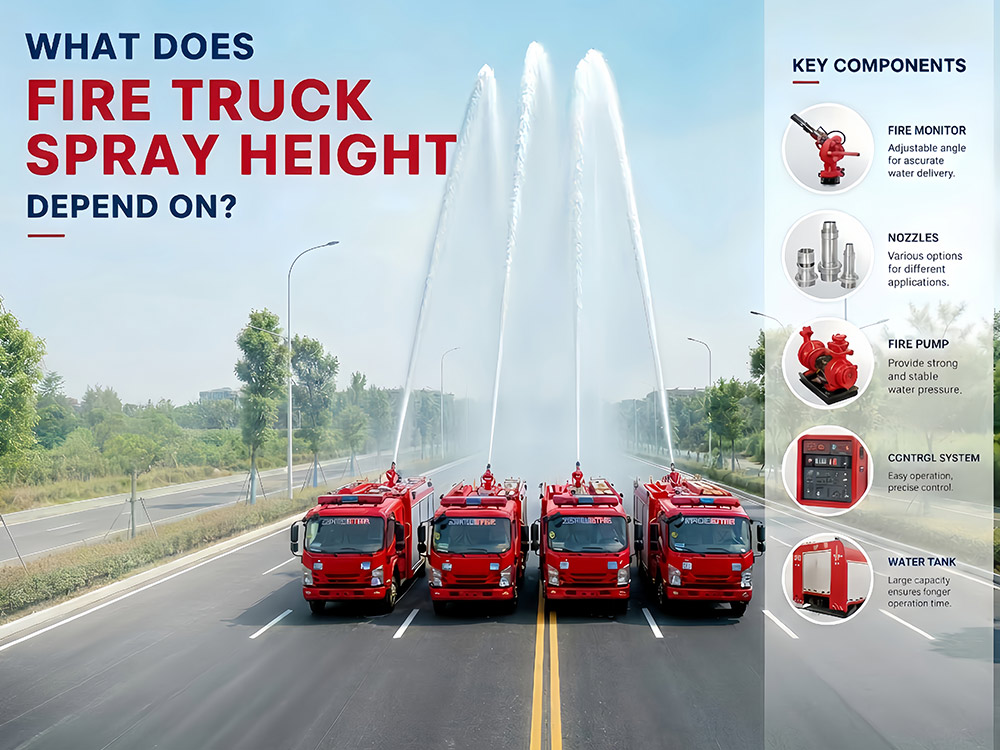
ما العوامل التي تؤثر في ارتفاع رش شاحنة الإطفاء، وكيف تعمل كل من ضغط المضخة ومعدل التدفق ومدفع الإطفاء معًا؟ هذه من النقاط التي يركز عليها العديد من العملاء. لنتعرف عليها اليوم.
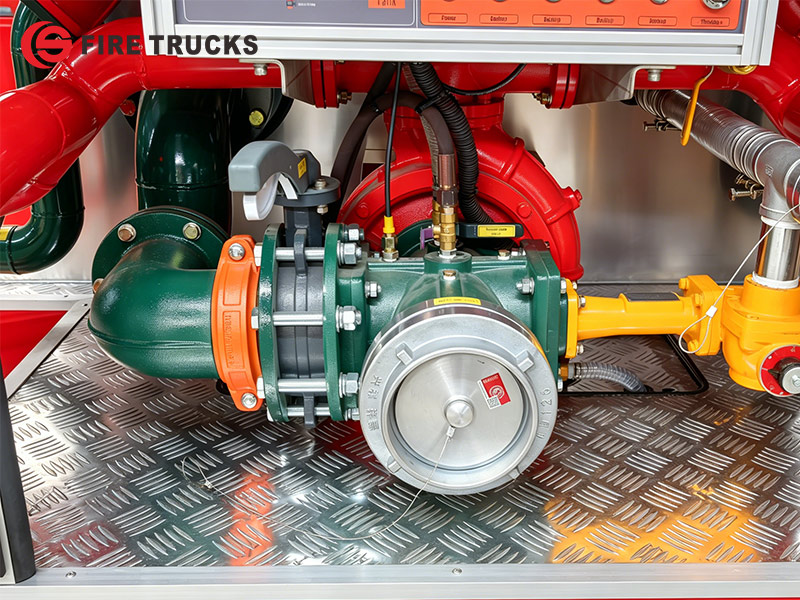
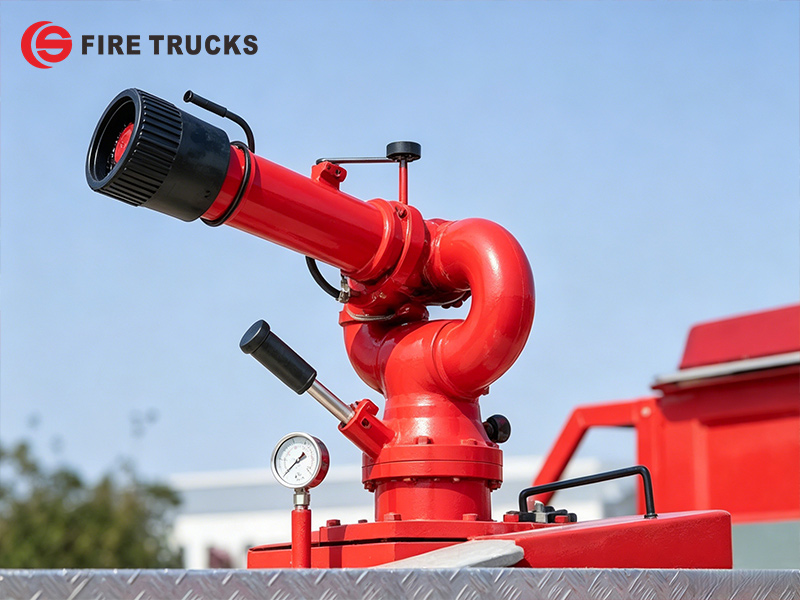
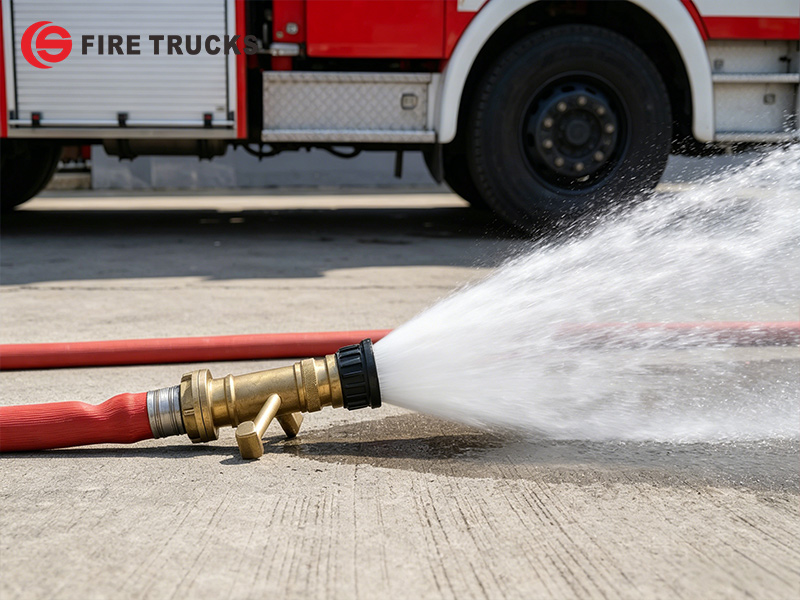
ضغط مضخة شاحنة الإطفاء هو القوة التي تولدها مضخة الإطفاء لدفع عامل الإطفاء عبر الخراطيم وتفريغه من الفوهات أو المدافع. وهو العامل الأساسي المحدد لكل من معدل التدفق ومسافة الرش. ينتج الضغط الأعلى سرعة أكبر عند مخرج المدفع، مما يزيد ارتفاع الرش بشكل مباشر. تحكم العلاقة المعادلة H ≈ P/(ρg)، حيث تؤدي كل زيادة قدرها 0.1 ميجا باسكال تقريبًا إلى إضافة 10 أمتار من الارتفاع النظري — لكن الخسائر الواقعية تقلل من ذلك.
في عمليات مكافحة الحرائق العملية، تنطبق النطاقات التالية:
| ضغط المضخة | ارتفاع الرش النموذجي |
| 0.8 ميجا باسكال | 35–45 مترًا |
| 1.0 ميجا باسكال | 45–55 مترًا |
| 1.2 ميجا باسكال | 55–70 مترًا |
| 1.4 ميجا باسكال | 70–85 مترًا |
تكون المضخة عادةً مضخة طرد مركزي تُدار بواسطة محرك الشاحنة عبر مأخذ القدرة (PTO). عند دوران الدوّار، يسحب عامل الإطفاء إلى الداخل ويدفعه إلى الخارج بفعل القوة الطاردة المركزية، مما يولد ضغطًا يدفعه عبر نظام التفريغ.
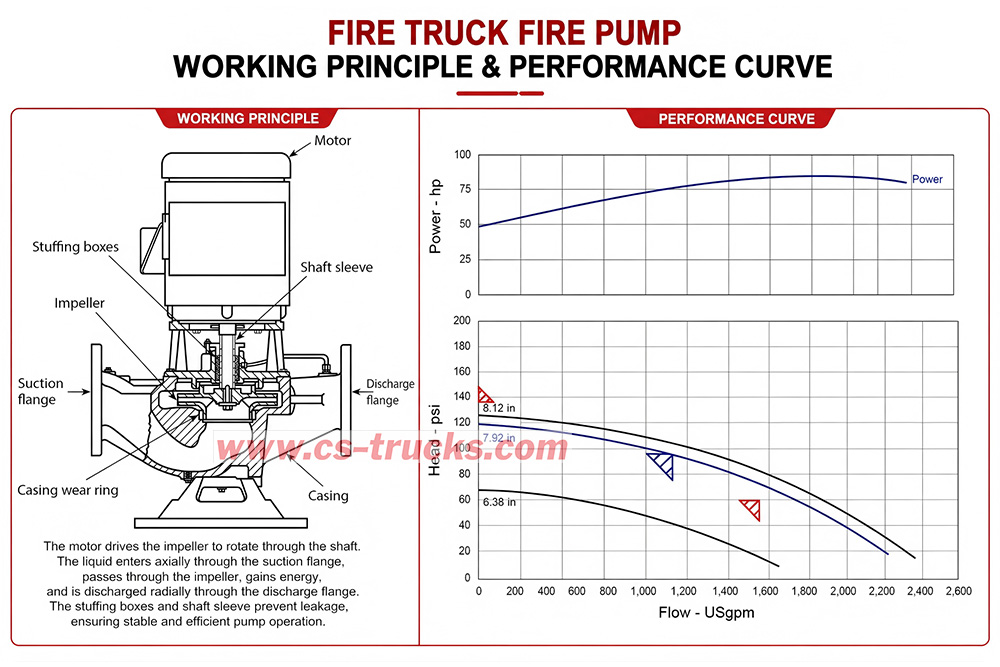 الضغط المقنن مقابل ضغط التشغيل:
| المصطلح | التعريف |
| الضغط المقنن | الحد الأقصى للضغط الذي يمكن للمضخة تحمله بشكل مستمر في ظل ظروف التصميم |
| ضغط التشغيل | الضغط الفعلي المستخدم أثناء مكافحة الحرائق، ويكون عادةً أقل من الضغط المقنن للسماح بهامش أمان |
يُعد التدفق الكافي مهمًا بقدر أهمية الضغط. فالضغط العالي مع التدفق المنخفض لا يستطيع توصيل كمية كافية من عامل الإطفاء للسيطرة على الحريق. يجب أن يحافظ نظام المضخة على الضغط والتدفق في الوقت نفسه.
العلاقة بين التدفق وارتفاع الرش:
2,000 لتر/دقيقة → فعال للحرائق البلدية
3,000 لتر/دقيقة → مناسب للمجمعات الصناعية
4,000 لتر/دقيقة → مطلوب للمنشآت البتروكيميائية
5,000+ لتر/دقيقة → ضروري لإنقاذ حوادث تحطم الطائرات في المطارات
يؤثر مسار التدفق الداخلي للمدفع، وقطر المخرج، والنوع بشكل مباشر على ارتفاع الرش.
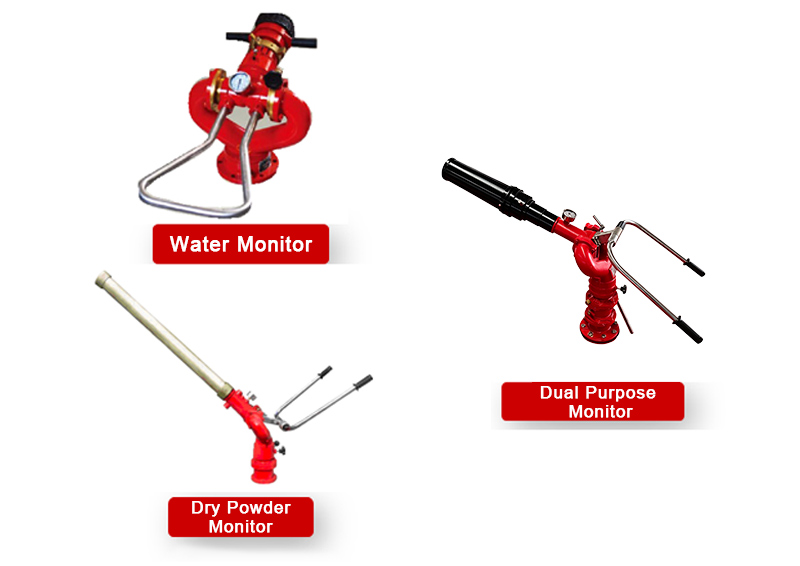
مقارنة أنواع المدافع:
مدفع مياه: أعلى ارتفاع، مسار تدفق مستقيم
مدفع رغوة: أقل قليلًا (5–10% أقل) بسبب اضطراب سحب الهواء
مدفع ثنائي الغرض: متوسط (حل وسط بين الماء والرغوة)
للماء والرغوة كثافات مختلفة. يكون محلول الرغوة أكثر كثافة من الماء بحوالي 5-10%، مما يقلل قليلًا من ارتفاع الرش عند نفس الضغط. يجب مراعاة ذلك عند اختيار المعدات لعمليات الرغوة.
عندما يتدفق عامل الإطفاء عبر الخراطيم والأنابيب، يقلل الاحتكاك الضغط عند المدفع. تزيد الخراطيم الأطول والأقطار الأصغر من الفواقد.
عوامل فقدان الاحتكاك:
طول الخرطوم: أطول = فقدان أكبر
قطر الخرطوم: أصغر = فقدان أكبر
الوصلات والانحناءات: كل منها يضيف مقاومة
لتزويد العملاء بأفضل حلول مكافحة الحرائق، تختار FIRE TRUCKS النظام الأنسب بناءً على التطبيق
المتطلبات: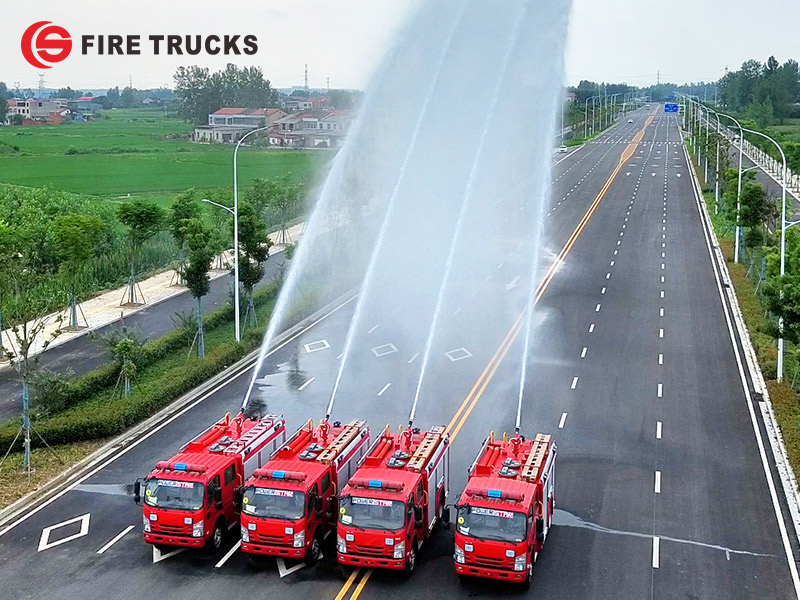
| ضغط المضخة | معدل التدفق | ارتفاع الرش | التطبيق الموصى به |
| 0.8 ميغاباسكال | 2,000 لتر/دقيقة | 35–45 مترًا | مكافحة الحرائق البلدية |
| 1.0 ميغاباسكال | 3,000 لتر/دقيقة | 45–55 مترًا | المجمعات الصناعية |
| 1.2 ميغاباسكال | 4,000 لتر/دقيقة | 55–70 مترًا | المنشآت البتروكيميائية |
| 1.4 ميغاباسكال | 5,000+ لتر/دقيقة | 70–85 م | مكافحة حرائق المطارات |
| التطبيق | نوع المدفع الموصى به | السبب |
| مكافحة الحرائق البلدية | مدفع مياه | أعلى ارتفاع للرش، تشغيل بسيط |
| مصفاة نفط/مصنع كيميائي | مدفع رغوة أو مزدوج الغرض | يتعامل مع حرائق السوائل القابلة للاشتعال |
| إنقاذ حوادث تحطم الطائرات في المطارات | مدفع رغوة (عالي السعة) | مطلوب حجم كبير من الرغوة |
| مخاطر حرائق مختلطة | مدفع مزدوج الغرض | مرونة لاستخدام كل من الماء والرغوة |
| العامل | التأثير | كيفية التحسين |
| ضغط المضخة | يتناسب طرديًا | اختيار الضغط المناسب للتطبيق |
| معدل التدفق | يحافظ على إخماد الحريق | موازنة الضغط مع التدفق |
| تصميم المدفع | تفاوت يصل إلى 10% | مطابقة نوع المدفع مع التطبيق |
| نوع المادة المستخدمة | الرغوة تقلل الارتفاع قليلًا | مراعاة اختلاف الكثافة |
| فقد الاحتكاك | يقلل الضغط الفعّال | استخدام خراطيم أقصر/أكبر |
| زيادة الارتفاع | تستهلك الضغط | إضافة ضغط للارتفاع |
| سرعة الرياح | يقلل الارتفاع الفعلي | ضع الشاحنة عكس اتجاه الرياح |
خلفية الحالة:
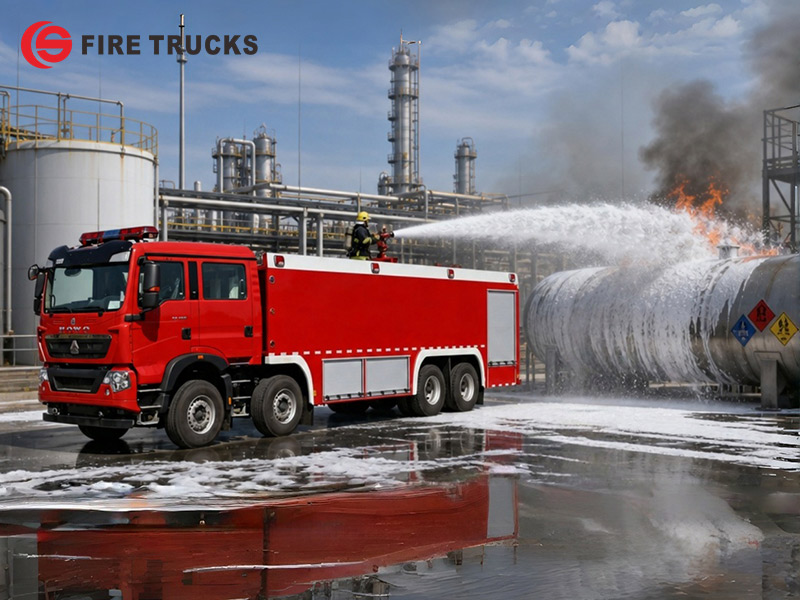
اندلع حريق واسع النطاق في منشأة لتخزين المواد البتروكيماوية في منطقة صناعية. شمل الحريق خزان سقف عائم بقطر 50 مترًا يحتوي على النفط الخام. لم تتمكن الخراطيم الأرضية من الوصول إلى الحريق بسبب ارتفاع الخزان ومنطقة الحرارة الإشعاعية.
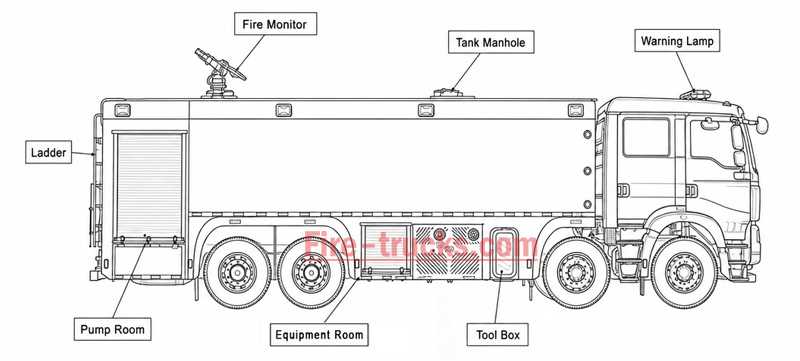
تكوين شاحنة الإطفاء:
شاحنة إطفاء رغوية بتكوين 8×4
نظام مضخة مصنف عند 1.2 ميجا باسكال / 4,000 لتر/دقيقة
مدفع PL48 مزدوج الاستخدام للرغوة/الماء
الأداء الفعلي:
ارتفاع الرش المقاس: حوالي 62 مترًا
التغطية الفعالة: مساحة خزان يبلغ قطرها حوالي 80 مترًا
نجحت طبقة الرغوة في إخماد الحريق خلال 8 دقائق
الدرس الرئيسي:
بالنسبة لحرائق خزانات التخزين الكبيرة، فإن الضغوط الأقل من 1.0 ميجا باسكال غالبًا ما تكون غير كافية لإيصال الرغوة إلى المسافة المطلوبة. إن الجمع بين الضغط الكافي ومعدل التدفق العالي والمدفع المختار بشكل مناسب أمر ضروري لإخماد الحرائق بفعالية.
المفهوم الخاطئ 1: الضغط الأعلى دائمًا أفضل
الحقيقة:الضغط الأعلى يزيد من استهلاك الطاقة وتكلفة المعدات وتعقيد الصيانة. كما يمكن للضغط المفرط أن يتسبب في تلف الخراطيم والفوهات. الهدف هو توفير ضغط مناسب للعمل، وليس أقصى ضغط.
المفهوم الخاطئ 2: ارتفاع الرش يساوي قدرة مكافحة الحريق
الحقيقة:غالبًا ما يكون معدل التدفق أكثر أهمية من الارتفاع. قد لا يوفر التيار المرتفع بمعدل تدفق منخفض كمية كافية من عامل الإطفاء لقمع الحريق. القيمة المجمعة للضغط والتدفق هي ما يهم.
المفهوم الخاطئ 3: يمكن تجاهل فقدان الاحتكاك
الحقيقة:في تمديدات الخراطيم الطويلة، يمكن لفقدان الاحتكاك أن يستهلك 20-30% من ضغط المضخة. يعد الحساب الصحيح لفقدان الاحتكاك ضروريًا لضمان ضغط كافٍ عند الفوهة.
المفهوم الخاطئ 4: لا يحدث المدفع أي فرق
الحقيقة:لن تحقق مضخة الضغط العالي المتصلة بمدفع سيئ التصميم أقصى ارتفاع للرش. يؤثر مسار التدفق الداخلي للمدفع وقطر المخرج ونوعه على الأداء النهائي. إن مطابقة المدفع مع المضخة لا تقل أهمية عن اختيار المضخة نفسها.
س: ما ضغط المضخة الأكثر شيوعًا في شاحنات الإطفاء؟
ج: تُصمم معظم شاحنات الإطفاء بضغوط مضخات تتراوح من 0.8 إلى 1.2 ميجا باسكال، ويُعد 1.0 ميجا باسكال المعيار الأكثر شيوعًا.
س: إلى أي ارتفاع يمكن لمضخة بضغط 1.0 ميجا باسكال أن ترش؟
ج: في الظروف القياسية، يمكن لمضخة بضغط 1.0 ميجا باسكال تحقيق ارتفاع رش يتراوح بين 45 و55 مترًا باستخدام مدفع متوسط إلى كبير.
س: لماذا تتطلب حرائق المباني الشاهقة ضغط مضخة أعلى؟
ج: تتطلب حرائق المباني الشاهقة ضغطًا إضافيًا للتغلب على زيادة الارتفاع (كل 1.0 متر من الارتفاع يتطلب حوالي 0.01 ميجا باسكال) وفقدان الاحتكاك في خطوط الخراطيم الرأسية.
س: هل يحقق مدفع الرغوة نفس ارتفاع الرش الذي يحققه مدفع الماء؟
أ: عادةً ما تحقق مدافع الرغوة ارتفاعات أقل قليلًا (بنسبة 5-10% أقل) من مدافع المياه عند نفس الضغط، وذلك بسبب تصميم سحب الهواء الذي يسبب اضطرابًا وارتفاع كثافة محلول الرغوة.
س: ما العامل الأكثر أهمية لارتفاع الرش؟
أ: لا يوجد عامل واحد يحدد ارتفاع الرش. يعمل ضغط المضخة ومعدل التدفق وتصميم المدفع ونوع الفوهة والظروف البيئية معًا. يكون النظام المتوازن جيدًا أكثر فعالية من نظام يتفوق في مجال واحد فقط.
س: هل يؤثر المدفع نفسه على ارتفاع الرش؟
أ: نعم. يؤثر مسار التدفق الداخلي للمدفع وقطر المخرج ونوعه (ماء أو رغوة أو مزدوج الغرض) بشكل مباشر على ارتفاع الرش. يزيد تصميم المدفع الجيد من الطاقة التي توفرها المضخة إلى أقصى حد.
يعتمد ارتفاع الرش على عوامل متعددة — ضغط المضخة، ومعدل التدفق، وتصميم المدفع، ونوع المادة، وفقدان الاحتكاك، والارتفاع، وظروف الرياح
1.0–1.2 ميجا باسكال هو نطاق الضغط السائد لمعظم تطبيقات مكافحة الحرائق الصناعية
اختيار المدفع مهم — فالمضخة عالية الضغط مع مدفع سيئ التصميم لن تحقق أقصى ارتفاع للرش
معدل التدفق لا يقل أهمية عن الضغط — فالضغط العالي مع التدفق المنخفض قد لا يوفر كمية كافية من مادة الإطفاء لإخماد الحريق
للمواد المختلفة خصائص رش مختلفة — فالرغوة أكثر كثافة وتحقق ارتفاعًا أقل قليلًا
تتطلب مشاريع البتروكيماويات والمطارات عادةً 1.2 ميجا باسكال أو أعلى
بالنسبة للمشاريع الدولية، أعطِ الأولوية لشاحنات الإطفاء التي تتوافق مع المعايير المعترف بها مثل NFPA أو EN أو GB
لا يتم تحديد ارتفاع رش شاحنة الإطفاء بواسطة عامل واحد. بل يعتمد على التأثير المشترك لضغط المضخة، ومعدل التدفق، وتصميم المدفع، ونوع المادة، وفقدان الاحتكاك، وزيادة الارتفاع، وظروف الرياح.


قد تكون مهتمًا بالمعلومات التالية
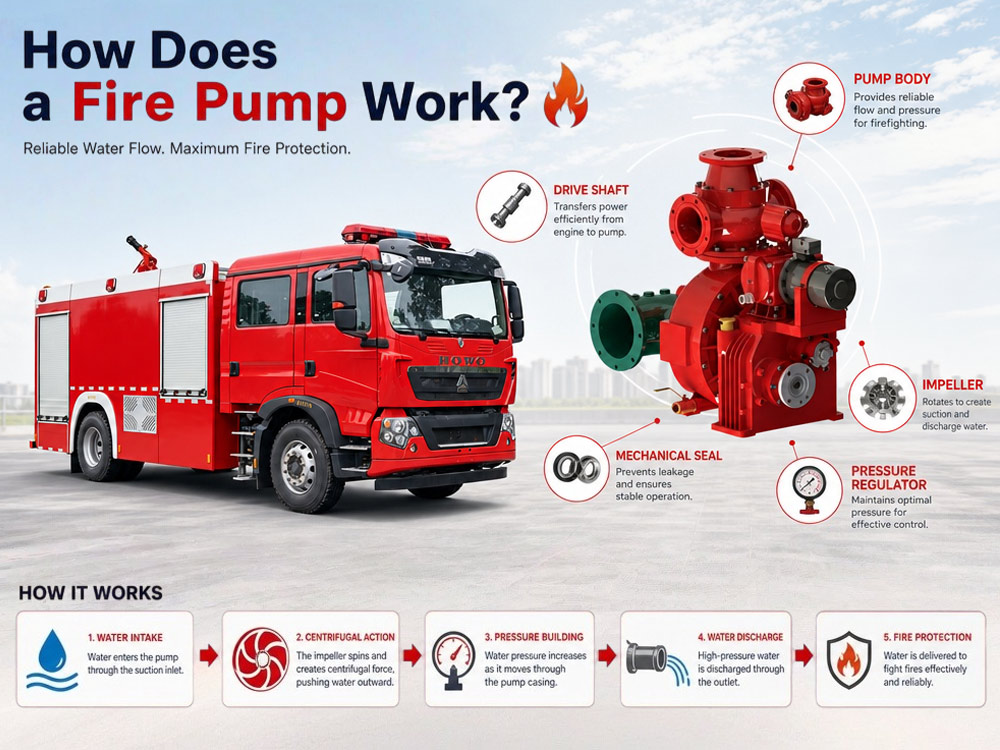
مضخة الحريق هي قلب نظام توصيل المياه في كل شاحنة إطفاء. سواء كانت تستجيب لحريق هيكلي، أو حالة طوارئ صناعية، أو حادث في مطار، أو عملية في المناطق البرية، فإن مضخة الحريقفي شاحنة إطفاء مسؤولة عن توصيل مياه عالية الضغط إلى الخراطيم، ومدافع المياه، وأنظمة الرغوة.يضمن تصميم المروحة الطاردة المركزية ونظام التشغيل بواسطة مأخذ القدرة PTO ضغطًا مستقرًا ومعدلات تدفق عالية، مما يزيد فعالية مكافحة الحرائق مباشرةً بأكثر من 40٪، مع تقليل زمن الاستجابة بمقدار 3 مرات. ويمكن تسميتها بالحارس غير المرئي لعمليات مكافحة الحرائق والركيزة التقنية الأساسية للاستجابة الحديثة لحالات الطوارئ. تعرّف على كيفية عمل مضخة الحريق، بما في ذلك مبدأ عملها، والمكونات الرئيسية، وعملية تدفق المياه، وتوليد الضغط، والتطبيقات. اكتشف كيف توفر مضخات شاحنات الإطفاء إمدادًا موثوقًا بالمياه لمكافحة الحرائق وكيفية اختيار المضخة المناسبة لجهاز مكافحة الحرائق الخاص بك.لنتعرف عليها اليوم. » أولًا. نحتاج أولًا إلى معرفة المكونات الرئيسية الثلاثة لنظام مضخة الحريق: 1. المروحة:المكوّن الدوّار الذي يسحب المياه إلى الداخل ويدفعها إلى الخارج بواسطة القوة الطاردة المركزية. تُصنع عادةً من البرونز أو الفولاذ المقاوم للصدأ أو الحديد الزهر. 2. غلاف المضخة:الهيكل الذي يحتوي على المروحة ويوجه تدفق المياه. مصمم لتحويل السرعة إلى ضغط. 3. مأخذ القدرة (PTO):وصلة ميكانيكية تنقل قدرة المحرك من ناقل حركة الشاحنة إلى مضخة الحريق. » ثانيًا. بعد معرفة المكونات الرئيسية، فإن مبدأ العمل الأساسي لمضخة الحريق يكون كما يلي: 1. تنتقل الطاقة من المحرك عبر مأخذ القدرة PTO يقوم محرك الشاحنة بتشغيل مأخذ القدرة PTO، الذي يتصل بعمود المضخة. عند قيام المشغّل بتفعيل مأخذ القدرة PTO، تُعاد توجيه طاقة المحرك لتدوير مروحة المضخة بسرعة عالية. 2. تبدأ المروحة بالدوران تدور المروحة بسرعة 1,500–2,500 دورة في الدقيقة، وتسحب المياه إلى المضخة عبر مدخل الشفط. تنشئ شفرات المروحة الدوارة منطقة منخفضة الضغط في المركز، مما يسحب المياه من الخزان الموجود على متن الشاحنة أو صنبور الحريق أو مصدر المياه الطبيعي. 3. تزيد القوة الطاردة المركزية ضغط المياه أثناء دوران المروحة، تدفع المياه إلى الخارج بواسطة القوة الطاردة المركزية. تزداد سرعة المياه أثناء انتقالها من المركز إلى الحافة الخارجية للمروحة. ثم يحول غلاف المضخة هذه السرعة إلى ضغط، مما يدفع المياه عالية الضغط إلى الخارج عبر منفذ التصريف. 4. تخرج المياه عالية الضغط من منفذ التصريف تخرج المياه المضغوطة (عادةً 0.8–1.2 ميجا باسكال) عبر منفذ التصريف ويتم توصيلها إلى خراطيم الإطفاء أو مدافع المياه أو أنظمة مزج الرغوة لعمليات مكافحة الحرائق. » ثالثًا. من أين تحصل مضخة الحريق على المياه؟ يمكن لمضخة الحريق سحب المياه من ثلاثة مصادر: خزان المياه الموجود على متن الشاحنة:مصدر المياه الأساسي للهجوم الأولي. السعة المعتادة: 2,000–12,000 لتر. يوفر إمدادًا فوريًا بالمياه عند الوصول. صنبور الحريق:متصل عبر خراطيم الإمداد. يوفر إمدادًا مستمرًا بالمياه للعمليات الممتدة. يساعد الضغط من صنبور الحريق المضخة على الحفاظ على التدفق. مصدر مياه طبيعي (السحب):البحيرات أو الأنهار أو البرك أو حمامات السباحة. تستخدم المضخة نظام تهيئة لإزالة الهواء من خرطوم الشفط قبل السحب. أقصى ارتفاع نظري للرفع عند مستوى سطح البحر: حوالي 10 أمتار (33 قدمًا). عمق السحب الفعّال: عادةً 7–8 أمتار. عملية السحب: توصيل خرطوم شفط صلب بمدخل المضخة غمر ا...
تفاصيل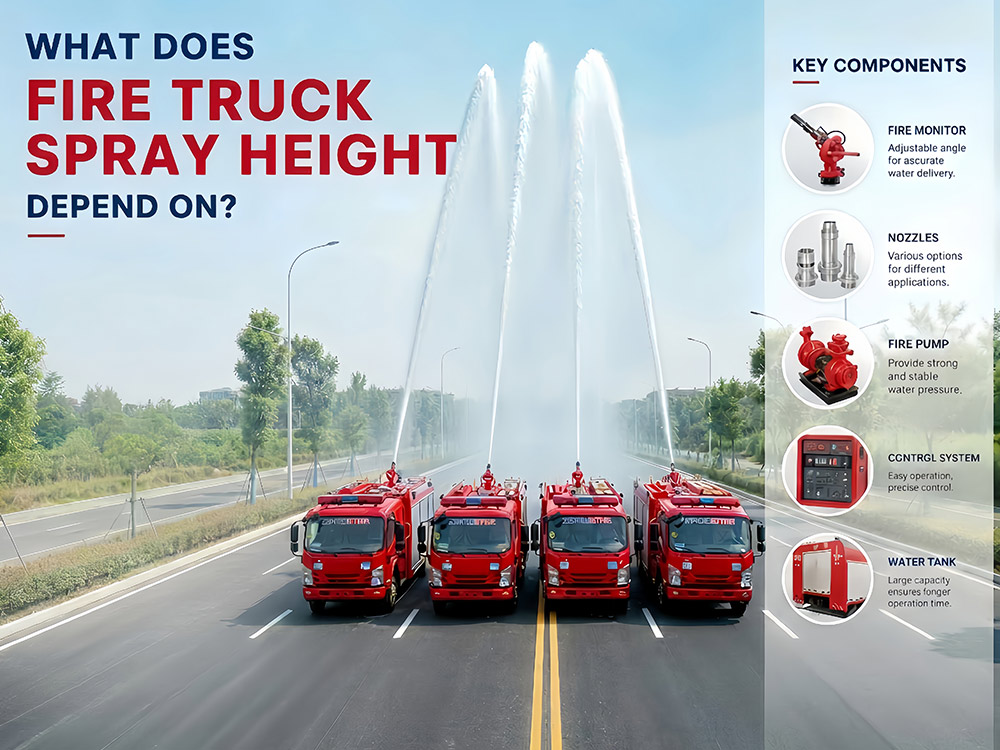
يُعد نظام مضخة ورشاش شاحنة الإطفاء جوهر عمليات مكافحة الحرائق. فهو يعمل بمثابة "الذراع القوية" لشاحنة الإطفاء. ومن خلال تحويل طاقة المحرك إلى ضغط (يتراوح من 0.8 إلى 1.4 ميجا باسكال)، يقوم بتوصيل عوامل الإطفاء إلى ارتفاعات تصل إلى 85 مترًا — سواء كان حريقًا في مبنى شاهق وسط مدينة مكتظة أو حريقًا في خزان تخزين للبتروكيماويات في منطقة صناعية، فإن شاحنة الإطفاء تعتمد على هذا النظام لتحقيق إخماد فعال للحرائق. ما العوامل التي تؤثر في ارتفاع رش شاحنة الإطفاء، وكيف تعمل كل من ضغط المضخة ومعدل التدفق ومدفع الإطفاء معًا؟ هذه من النقاط التي يركز عليها العديد من العملاء. لنتعرف عليها اليوم. » أولًا: ثلاثة مكونات رئيسية تحدد ارتفاع الرش 1. نظام مضخة الإطفاء: قلب شاحنة الإطفاء. مضخة طرد مركزي تُدار بواسطة مأخذ القدرة (PTO). درجات الضغط الشائعة: 0.8 ميجا باسكال، 1.0 ميجا باسكال، 1.2 ميجا باسكال، 1.4 ميجا باسكال. معدلات التدفق من 2,000 إلى أكثر من 5,000 لتر/دقيقة. 2. مدفع الإطفاء: المكوّن الأخير قبل خروج عامل الإطفاء من الشاحنة. يتوفر على شكل مدفع مياه، ومدفع رغوة، ومدفع مزدوج الاستخدام. سلسلة PL (PL48) بمعدلات تدفق تصل إلى 4,000 لتر/دقيقة وارتفاع رش يصل إلى أكثر من 70 مترًا. 3. نظام التوصيل: الأنابيب والخراطيم والفوهات التي تنقل عامل الإطفاء من المضخة إلى المدفع. يؤثر قطر الخرطوم وطوله ونوع الفوهة جميعها في ارتفاع الرش النهائي. » ثانيًا: العوامل الأساسية التي تحدد ارتفاع الرش 1.1. ضغط المضخة ضغط مضخة شاحنة الإطفاء هو القوة التي تولدها مضخة الإطفاء لدفع عامل الإطفاء عبر الخراطيم وتفريغه من الفوهات أو المدافع. وهو العامل الأساسي المحدد لكل من معدل التدفق ومسافة الرش. ينتج الضغط الأعلى سرعة أكبر عند مخرج المدفع، مما يزيد ارتفاع الرش بشكل مباشر. تحكم العلاقة المعادلة H ≈ P/(ρg)، حيث تؤدي كل زيادة قدرها 0.1 ميجا باسكال تقريبًا إلى إضافة 10 أمتار من الارتفاع النظري — لكن الخسائر الواقعية تقلل من ذلك. في عمليات مكافحة الحرائق العملية، تنطبق النطاقات التالية: ضغط المضخة ارتفاع الرش النموذجي 0.8 ميجا باسكال 35–45 مترًا 1.0 ميجا باسكال 45–55 مترًا 1.2 ميجا باسكال 55–70 مترًا 1.4 ميجا باسكال 70–85 مترًا 1.2. كيفية عمل مضخة الإطفاء: تكون المضخة عادةً مضخة طرد مركزي تُدار بواسطة محرك الشاحنة عبر مأخذ القدرة (PTO). عند دوران الدوّار، يسحب عامل الإطفاء إلى الداخل ويدفعه إلى الخارج بفعل القوة الطاردة المركزية، مما يولد ضغطًا يدفعه عبر نظام التفريغ. الضغط المقنن مقابل ضغط التشغيل: المصطلح التعريف الضغط المقنن الحد الأقصى للضغط الذي يمكن للمضخة تحمله بشكل مستمر في ظل ظروف التصميم ضغط التشغيل الضغط الفعلي المستخدم أثناء مكافحة الحرائق، ويكون عادةً أقل من الضغط المقنن للسماح بهامش أمان 2. معدل التدفق (لتر/دقيقة) يُعد التدفق الكافي مهمًا بقدر أهمية الضغط. فالضغط العالي مع التدفق المنخفض لا يستطيع توصيل كمية كافية من عامل الإطفاء للسيطرة على الحريق. يجب أن يحافظ نظام المضخة على الضغط والتدفق في الوقت نفسه. العلاقة بين التدفق وارتفاع الرش: 2,000 لتر/دقيقة → فعال للحرائق البلدية 3,000 لتر/دقيقة → مناسب للمجمعات الصناعية 4,000 لتر/دقيقة → مطلوب للمنشآت البتروكيميائية 5,000+ لتر/دقيقة → ضروري لإنقاذ حوادث تحطم الطائرات في المطارات 3. تصميم مدفع الإطفاء يؤثر مسار التدفق الداخلي للمدفع، وقطر المخرج، والنوع بشكل مباشر على ارتفاع الرش. مقارنة أنواع المدافع: مدفع مياه: أعلى ارتفاع، مسار ...
تفاصيل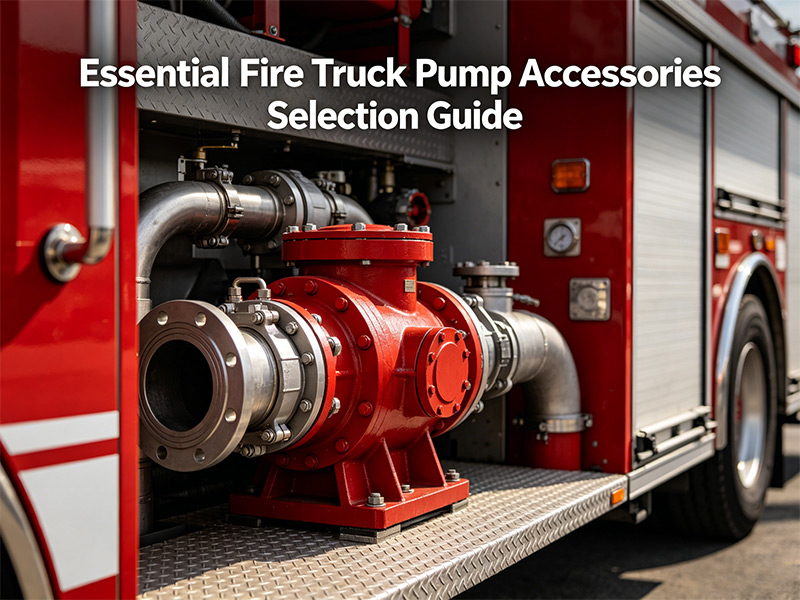
لا يكون نظام مضخة شاحنة الإطفاء موثوقًا إلا بقدر موثوقية مكوناته. بدءًا من سحب المياه من مصدر وصولًا إلى تفريغها بضغط عالٍ، يلعب كل ملحق دورًا حاسمًا. يغطي هذا الدليلشاحنة إطفاء خمس فئات رئيسية من الملحقات: أجهزة التهيئة الأولية، والصمامات الكروية، والصمامات الغلوبية، وخلاطات الرغوة، وأنظمة التحكم الهيدروليكية. يساعد فهم هذه المكونات رجال الإطفاء على صيانة معداتهم واختيار الملحقات المناسبة للتطبيقات المحددة. I. سلسلة أجهزة التهيئة الأولية (أجهزة التهيئة بالتفريغ) تُعد أجهزة التهيئة الأولية ضرورية لسحب المياه من البحيرات أو الأنهار أو المصادر الساكنة الأخرى عند عدم توفر صنبور إطفاء. فهي تزيل الهواء من المضخة وخرطوم الشفط، مما يسمح للضغط الجوي بدفع المياه إلى داخل المضخة. نظرة عامة على المنتج المنتج أقصى تفريغ الجهد الكهربائي الطاقة حجم المضخة المناسب جهاز تهيئة أولية بمكبسين >85kPa 24V - أقل من 100 L/s جهاز تهيئة أولية كهربائي بمكبسين >85kPa 24V 2.1KW أقل من 100 L/s جهاز تهيئة أولية بأربعة مكابس >85kPa 24V - أعلى من 100 L/s جهاز تهيئة أولية كهربائي بأربعة مكابس >85kPa 24V 2.1KW أعلى من 100 L/s الميزة الرئيسية: أجهزة التهيئة الكهربائية توفر أجهزة التهيئة الكهربائية ميزة كبيرة — إذ يمكنها تهيئة المضخة دون دوران المضخة. يحمي ذلك الختم الميكانيكي من أضرار التشغيل الجاف. عندما يتطلب جهاز التهيئة القياسي دوران المضخة، يعمل الإصدار الكهربائي بشكل مستقل، مما يطيل عمر الختم. II. سلسلة الصمامات الكروية (التحكم في التدفق) تتحكم الصمامات الكروية في تدفق المياه عبر الخراطيم ومخارج التفريغ. وهي مصممة للتشغيل السريع للفتح والإغلاق عبر دوران بسيط بزاوية 90°. الصمامات الكروية المصنوعة من الفولاذ المقاوم للصدأ الطراز المادة الضغط المقدر السن التشغيل FQS65/2.5 الجسم والكرة: فولاذ مقاوم للصدأ 304؛ الختم: PTFE 2.5 ميجا باسكال G2-1/2" عجلة يدوية / رافعة FQS80/2.5 الجسم والكرة: فولاذ مقاوم للصدأ 304؛ الختم: PTFE 2.5 ميجا باسكال G3" عجلة يدوية / رافعة صمامات كروية من سبائك الألمنيوم (أخف وزناً) الموديل المادة الضغط المقدر السن التشغيل FQS65/2.5 الجسم: A356.2؛ الكرة: 304؛ الختم: PTFE 2.5 ميجا باسكال G2.5" عجلة يدوية / رافعة FQS80/1.6 الجسم: A356.2؛ الكرة: 304؛ الختم: PTFE 1.6 ميجا باسكال G3" عجلة يدوية / رافعة FQS65/2.5 مربع الجسم: A356.2؛ الكرة: 304؛ الختم: PTFE 2.5 ميجا باسكال - هوائي / رافعة Ⅲ. سلسلة صمامات كروية (تنظيم الضغط والتدفق) على عكس الصمامات الكروية المصممة للتشغيل تشغيل/إيقاف، تسمح صمامات الكرة بالتحكم الدقيق في معدل التدفق والضغط. وهي مثالية في الحالات التي تتطلب تعديلًا تدريجيًا. الموديل المادة الضغط المقدر السن التشغيل DN65/2.5 الجسم: A356.2؛ الساق: H62؛ مانع التسرب: NBR 2.5 ميغاباسكال G2.5" عجلة يدوية DN80/2.5 الجسم: A356.2؛ الساق: H62؛ مانع التسرب: NBR 2.5 ميغاباسكال G3" عجلة يدوية متى يتم استخدام صمام كروي؟ استخدم الصمامات الكروية عند نقاط التفريغ التي تتطلب تحكمًا دقيقًا في الضغط، مثل عند ملء خزان مركبة أخرى أو تزويد خط خرطوم بضغط محدد. IV. سلسلة موزعات الرغوة (معدات خلط الرغوة) تقوم موزعات الرغوة بخلط مركز الرغوة مع الماء بنسب دقيقة. وهذا أمر ضروري لمكافحة حرائق الفئة B (السوائل القابلة للاشتعال) حيث يكون الماء وحده غير فعال. موزعات يدوية / قياسية الطراز المادة ضغط المدخل نطاق التدفق نسبة الخلط PH32-64 الجسم: A35...
تفاصيل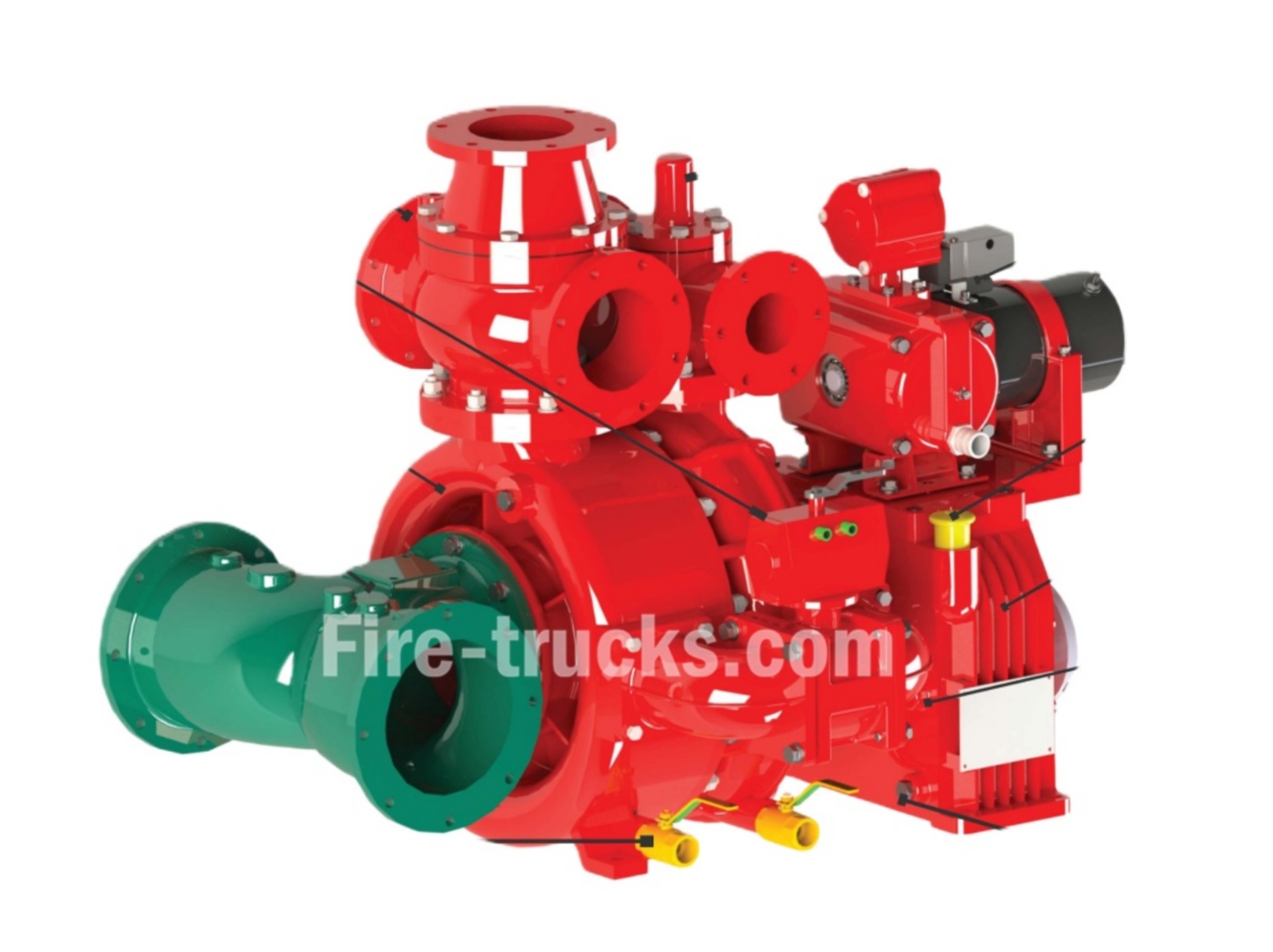
بصفتي محترفًا في مجال شيونغ تشن مصنع مضخات الحريق في الصين، شاحنات باورستار تمتلك الشركة علامتها التجارية الخاصة "Xiongzhen" التي تضم سلسلة منتجات تشمل مضخات إطفاء الحريق منخفضة الضغط، ومضخات إطفاء الحريق متوسطة-منخفضة الضغط، ومضخات إطفاء الحريق المركبة على المركبات عالية-منخفضة الضغط، بالإضافة إلى معدات مساعدة مثل أجهزة مراقبة الحريق وأجهزة خلط الرغوة. تستخدم مضخات إطفاء الحريق مواد حديثة مثل سبائك الألومنيوم والفولاذ المقاوم للصدأ، وهي مزودة بجهاز فصل تلقائي بقابض كهرومغناطيسي وصمام عدم رجوع، مما يضمن أداءً ممتازًا وسهولة في التشغيل والصيانة. وقد اجتازت منتجات الشركة اختبارات النوع من قبل المركز الوطني للإشراف والتفتيش على جودة معدات مكافحة الحرائق، وحصلت على شهادة CCC وشهادة نظام إدارة الجودة ISO9001. تشمل مضخات إطفاء الحرائق من شركة شيونغ تشن بشكل رئيسي الطرازات التالية: CB10/20-XZ، CB10/30-XZ ، CB10/40-XZ، CB10/60-XZ ، CB10/80-XZ، CB10/100-XZ، CB20.10/15.30-XZ، CB20.10/20.40-XZ، CB20.10/30.60-XZ، إلخ. مضخة إطفاء الحريق CB10/20-XZ لشاحنات الإطفاء مضخات إطفاء الحريق CB10/30-XZ لشاحنات الإطفاء مضخات إطفاء طراز CB10/40-XZ لسيارات الإطفاء، صنع في الصين مضخات إطفاء طراز CB10-60 لشاحنات الإنقاذ والإطفاء مضخات إطفاء طوارئ CB10/80-XZ لشاحنات الإطفاء مضخات إطفاء الحرائق CB10/100-XZ لمركبات الإطفاء مواصفات نظام مضخة الحريق شيونغ تشن CB10/100-XZ مصنعو مضخات الحريق من سلسلة شيونغ تشن سي بي مواصفات مجموعات مضخات الحريق CB10/150 نظام مضخة مكافحة الحرائق CB10/160-XZ مصنع شيونغ تشن مواصفات مضخات إطفاء الحريق الطارئة CB10/170-XZ تتميز شاحنات باورستار بقدرات تقنية عالية، إذ تمتلك أربع براءات اختراع، وتستخدم معدات إنتاج متطورة مثل برامج التصميم بمساعدة الحاسوب (CAD) وآلات التحكم الرقمي الحاسوبي (CNC) لضمان جودة منتجاتها ورضا عملائها. وتستهدف منتجاتها بشكل أساسي مصانع تعديل شاحنات الإطفاء وفرق الإطفاء. مواصفات وتفاصيل مضخة الحريق CB20.10 20.40 مضخة حريق CB20.10 30.60-XZ من مصنع شيونغ تشن مضخة حريق من سلسلة CB20/15-XZ مضخة حريق طوارئ من سلسلة CB20/20-XZ تفاصيل تركيب مضخة الحريق CB20 25 إليك جدول صيانة جهاز XIONGZHEN الخاص بك مضخات إطفاء الحريق مصنفة حسب الأسبوع والشهر والربع والسنة لسهولة الرجوع إليها: 01، فحص يومي لمضخة إطفاء الحرائق من نوع باورسار: تحقق من ضغط بدء التشغيل والإيقاف وتردد مضخة تثبيت الضغط. تحقق من طاقة بطارية التشغيل لمضخة إطفاء الحريق التي تعمل بمحرك الديزل. تحقق من مظهر صمامات التحكم في مصدر المياه ومجموعات صمامات الإنذار بحثًا عن أي تلف. 02، مضخة إطفاء الحرائق باورسار التفتيش الأسبوعي: قم بتشغيل مضخة الحريق ذات المحرك الأوتوماتيكي لإجراء اختبار التشغيل. تحقق من مستوى الوقود في مضخة إطفاء الحريق التي تعمل بمحرك الديزل. 03، مضخة إطفاء الحرائق باورسار الفحص الشهري: قم بتشغيل محرك التشغيل اليدوي تجريبياً مضخة حريق ومضخة إطفاء تعمل بمحرك ديزل. تحقق من مستوى الماء في خزان مياه مكافحة الحرائق وخزان مياه مكافحة الحرائق المرتفع. تحقق من ضغط الهواء ومستوى الماء والحجم الفعال لخزان الضغط. تحقق من سلامة الأختام والسلاسل الخاصة بجميع صمامات التحكم في النظام. تحقق من فرق الضغط في صمام منع التدفق العكسي. 04، مضخة إطفاء الحرائق باورسار التفتيش الفصلي: تحقق من ضغط ومعدل تدفق شبكة إمداد المياه البلدية. تحقق من حالة فتح صمامات التحكم في بئر الصمامات الخارجية. اف...
تفاصيل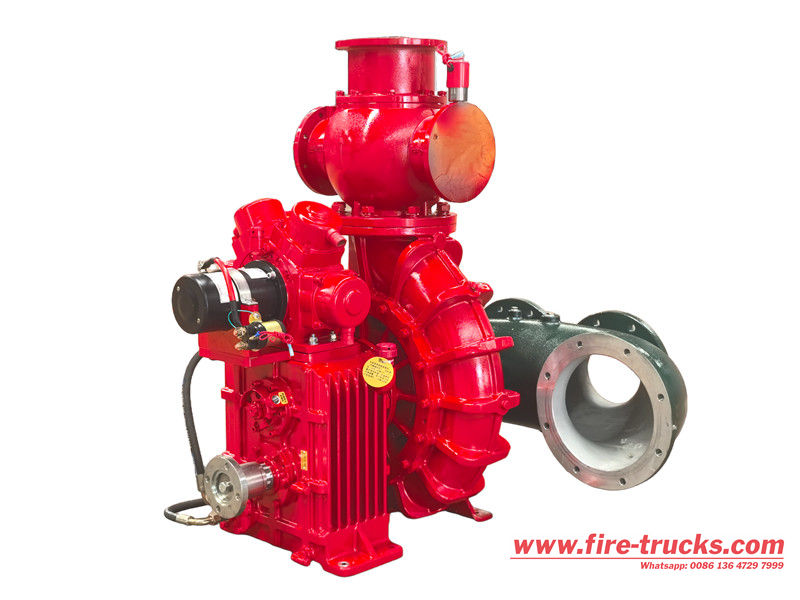
مضخة إطفاء الحرائق بالرغوة CB10/140 هي نظام شائع الاستخدام لتزويد مياه الإطفاء، سواءً كان مثبتًا على مركبة أو ثابتًا، بضغط تشغيلي يبلغ 1.0 ميجا باسكال ومعدل تدفق تشغيلي يبلغ 140 لترًا/ثانية، ما يلبي الاحتياجات الأساسية لأنظمة إطفاء الحرائق. صُنع جسم المضخة ومروحتها من مواد عالية الجودة مقاومة للتآكل، ما يوفر مقاومة للتآكل والضغط العالي. يتميز بتصميم ذي مدخلين للتبديل السريع بين مصادر المياه، ويعمل بمحرك عالي الكفاءة أو محرك ديزل، مما يحقق زمن استجابة بدء التشغيل في 30 ثانية أو أقل. بفضل تصميمه المدمج وسهولة صيانته وتشغيله الموثوق، مضخة إطفاء الحرائق بالرغوة CB10/140 يُعدّ هذا الجهاز قطعة أساسية من المعدات لضمان إمداد المياه بكفاءة لعمليات مكافحة الحرائق. تتميز مضخة الحريق CB10/140-XZ منخفضة الضغط والمثبتة على شاحنة، بهيكل طرد مركزي أحادي المرحلة، وغلاف من سبائك الألومنيوم، ومروحة نحاسية. وهي مزودة بنظام تحضير مائي كهربائي بأربعة مكابس مع مفتاح تشغيل كهربائي. أما مضخة الرغوة CB10/20 الاختيارية، فتستخدم آلية فصل هوائية. يوفر هذا المنتج أداءً ممتازًا، وهيكلًا صغيرًا، وتشغيلًا بسيطًا، وصيانة سهلة. مضخة الحريق CB10/140-XZ هي مضخة مياه طرد مركزي أحادية المرحلة تُستخدم في شاحنات الإطفاء، وتتميز بجهاز تحضير ثنائي المكابس يعمل تلقائيًا عند التشغيل والإيقاف. صُممت هذه المضخة لتحقيق أداء عالٍ مع هيكل صغير الحجم، وسهولة في التشغيل والصيانة. تشمل المواصفات الرئيسية معدل تدفق يبلغ 140 لترًا/ثانية وضغط مخرج يبلغ 1.0 ميجا باسكال عند سرعة دوران اسمية تبلغ 2600 دورة/دقيقة. » . مبدأ عمل مضخة إطفاء الحرائق بالرغوة CB10/140 ● كمية الماء ومحلول الرغوة المركزة المتناولة: يتم سحب الماء من مصدر الإمداد، ويتم سحب مركز الرغوة من خزان التخزين الخاص به. ● التناسب: يقوم جهاز المعايرة بخلط مركز الرغوة مع الماء بنسبة محددة مسبقاً. ● الضغط: تقوم المضخة بضغط الخليط، مما يزيد من سرعته وضغطه. ● تسريح: يتم دفع محلول الرغوة المضغوط عبر خرطوم التفريغ إلى الفوهة، حيث يتم تفريغه على النار. ● إخماد الحرائق: تغطي الرغوة مصدر الوقود، وتفصله عن الأكسجين، وتطفئ النار. » . مقدمة تفصيلية لمضخة إطفاء الحرائق بالرغوة CB10/140 1. تصميم هيكلي فائق، أداء مستقر وموثوق: ● ال مضخة حريق CB10/140 يتميز بتصميم طرد مركزي أحادي المرحلة ومصنوع من سبائك الألومنيوم عالية القوة، مما يوفر مزايا مثل الوزن الخفيف ومقاومة التآكل ومقاومة درجات الحرارة العالية. ● تم تصنيع الهيكل الداخلي للمضخة بدقة عالية، مما يضمن تدفقًا سلسًا وأداءً هيدروليكيًا ممتازًا. ويمنع مانع التسرب الميكانيكي التسربات ويضمن موثوقية التشغيل على المدى الطويل. ● تتميز مضخة الحريق هذه بقدرات شفط وتفريغ قوية، مما يجعلها مناسبة لمجموعة متنوعة من مركبات مكافحة الحرائق متوسطة وكبيرة الحجم ومعدات مكافحة الحرائق في حالات الطوارئ. 2. سهولة التشغيل وقابلية عالية للتكيف: ♦ يمكن توصيل مضخة إطفاء الحرائق بالرغوة CB10/140 مباشرة بالمحرك عبر مأخذ الطاقة (PTO)، مما يتيح عمليات بدء وإيقاف مرنة واستجابة سريعة. ♦ يتميز هذا الجهاز بأداء تحضير ذاتي ممتاز، مما يتيح إنجاز عمليات تحضير المياه بسرعة والتكيف مع مجموعة متنوعة من مصادر المياه، بما في ذلك الأنهار والبرك والمياه الجوفية. ♦ يوفر نظام التحكم سهل الاستخدام تشغيلًا بسيطًا وموثوقًا، مما يتيح النشر السريع حتى في حالات الطوارئ، مما يحسن بشكل كبير من كفاءة مكافحة الحرائق. 3. سهولة الصيانة والسلامة المتميزة: ➤ صُممت...
تفاصيل
الرجاء المتابعة، والاطلاع على آخر المستجدات، والاشتراك، ونرحب بآرائكم.

 شبكة IPv6 مدعومة

 العربية
 English
 français
 Deutsch
 русский
 italiano
 español
 português
 Nederlands
 日本語
日本語 한국의
한국의 Türkçe
 Melayu
 ไทย
ไทย Tiếng Việt
 Indonesia
  中文
中文 қазақ
қазақ Filipino
 မြန်မာ
 српски